

Common Vehicle Insurance Myths Debunked
Unraveling the truth about vehicle insurance can save you significant money and provide better coverage. Many individuals fall prey to common myths surrounding vehicle insurance that can lead to costly mistakes.
Myth 1: It’s cheaper to just pay for damages out of pocket. While this may seem like a cost-effective strategy, unexpected accidents can lead to substantial repair bills that far exceed typical insurance premiums.
Myth 2: Your credit score doesn’t affect your insurance rates. In reality, many insurance companies use credit scores as a factor in determining premiums. A poor credit score can lead to higher rates, so it’s essential to maintain good credit.
Myth 3: Red cars cost more to insure. The color of your car does not affect your insurance premium. Insurers typically base their rates on the vehicle's make, model, age, and safety features.
⬇️ Look Also A Beginner’s Guide To Vehicle Insurance For New Drivers
Myth 4: All coverage is the same. Not all insurance policies are created equal. Coverage limits, deductibles, and the specific terms of the policy can greatly affect what you pay. It's vital to compare policies thoroughly.
Myth 5: You don’t need insurance if you don't drive often. Even if you rarely use your vehicle, having insurance is crucial. Most states require a minimum level of coverage, and accidents can happen at any time, regardless of how frequently you drive.
Myth 6: Higher deductibles always mean lower premiums. While opting for a higher deductible can reduce monthly payments, it can become financially burdensome if you need to file a claim. Consider your financial situation before making this choice.
Myth 7: Your insurance covers rental cars automatically. This is not always true. Depending on your policy, you may need additional coverage for rental vehicles. Always check with your insurer when renting a car.
⬇️ Look Also How To Compare Vehicle Insurance Quotes Effectively
Myth 8: Insurance agents are only interested in selling you more coverage. A good insurance agent will work with you to find the best policy for your individual needs, balancing adequate coverage with affordability.
By understanding these myths, consumers can make informed decisions regarding their vehicle insurance, ultimately leading to better protection and potential cost savings.
⭐ Table of content
What is the most trusted car insurance company?
Determining the "most trusted" car insurance company can vary based on individual experiences, regional preferences, and specific needs. However, several companies consistently receive high ratings in consumer satisfaction, financial stability, and claims handling.
According to various surveys and reports, companies such as State Farm, GEICO, and USAA are often highlighted as top choices.
⬇️ Look Also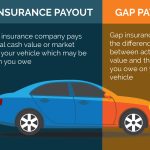 The Importance Of Gap Insurance For New Car Owners
State Farm is recognized for its extensive network of agents and personalized customer service.
GEICO, known for its competitive rates and strong online presence, has garnered a loyal customer base, especially among younger drivers.
USAA is frequently rated the best overall in terms of customer satisfaction, but it is only available to military members and their families, which limits its reach.
When choosing a car insurance provider, it’s essential to consider factors such as customer service, coverage options, pricing, and claims process to ensure you find a company that aligns with your specific needs. Always check for recent customer reviews and industry ratings to make an informed decision.
⬇️ Look Also Top Tips To Lower Your Vehicle Insurance Premiums
Do car insurance companies make mistakes?
Yes, car insurance companies can indeed make mistakes. Here are some key points to consider:
1. Data Entry Errors: Insurance companies often rely on human input for customer information. Incorrect data entry can lead to wrong policy details, affecting premiums and coverage.
2. Claims Processing Mistakes: During the claims process, there can be miscalculations or misunderstandings about the circumstances of an accident, which can result in wrongful denial or underpayment of claims.
3. Policy Misunderstandings: Sometimes, customers may misunderstand their policies, but insurance companies also have the responsibility to communicate terms clearly. Misinterpretations can lead to disputes over coverage.
4. Regulatory Compliance Issues: In some cases, insurance companies might fail to comply with state regulations or changes in laws, which could result in operational mistakes and financial penalties.
5. Technology Failures: With the increasing reliance on technology and algorithms for risk assessment and underwriting, software glitches or outdated systems can also lead to errors in policy quotes and risk evaluation.
6. Fraud Prevention Mistakes: Companies sometimes flag legitimate claims as fraudulent due to automated systems misidentifying patterns, which can create unnecessary hurdles for customers seeking compensation.
In summary, while car insurance companies strive for accuracy, mistakes can and do occur due to various factors ranging from human error to system failures. It's essential for policyholders to thoroughly review their policies and stay informed to avoid potential issues.
What is the cheapest car insurance for bad history?
Finding the cheapest car insurance for individuals with a bad driving history can be challenging but not impossible. Here are some tips and recommendations to help you navigate this situation:
1. Shop Around: It's crucial to compare quotes from multiple insurance providers. Different companies have varying policies on how they calculate premiums based on driving history. Websites that aggregate quotes can save you time.
2. Consider State Minimum Coverage: If cost is your primary concern, consider opting for minimum liability coverage required by your state. This will typically result in lower premiums, though it may not provide comprehensive protection.
3. Look for High-Risk Insurance Providers: Some insurers specialize in providing coverage for high-risk drivers. These companies may offer more affordable rates tailored to those with bad driving history or prior claims.
4. Utilize Discounts: Investigate potential discounts such as safe driver programs, bundling insurance policies (like home and auto), or even low mileage discounts. Some companies offer programs that allow you to track your driving habits and potentially lower your rates over time.
5. Increase Your Deductible: By choosing a higher deductible, you can often reduce your premium payments. However, ensure that you can afford the deductible amount if you need to make a claim.
6. Maintain Continuous Coverage: Even if you have had a bad history, keeping a continuous insurance policy can show potential insurers that you are responsible, which might help lower your rates over time.
7. Consider Usage-Based Insurance: Programs that monitor your driving habits (like braking patterns and speed) can sometimes lead to lower premiums if you drive safely, even with a prior bad record.
By applying these strategies, you can increase your chances of finding the most affordable car insurance option despite your bad driving history. Always read the fine print and understand the terms before committing to a policy.
What is the minimum insurance requirement in Oklahoma?
In Oklahoma, the minimum insurance requirement for car liability coverage is specified by state law. The basic requirement includes:
1. Bodily Injury Liability: A minimum of $25,000 per person and $50,000 per accident.
2. Property Damage Liability: A minimum of $25,000 per accident.
These limits are designed to ensure that drivers maintain a basic level of financial responsibility in case of an accident. It’s important to note that while these are the minimum requirements, many drivers opt for higher coverage limits to better protect themselves financially in the event of an accident. Always consider reviewing your insurance policy to ensure it meets your personal needs and risks.
What are the most common myths about vehicle insurance that can impact my finances?
Some common myths about vehicle insurance that can impact your finances include:
1. Expensive cars always cost more to insure: Insurance premiums depend on various factors, not just the car's price.
2. All accidents increase your premium: Minor accidents may not impact your rates significantly.
3. Red cars are more expensive to insure: Vehicle color does not influence insurance costs.
4. You don’t need insurance if you don't drive often: Most states require insurance regardless of usage frequency.
5. Personal auto insurance covers business use: Using your vehicle for business without proper coverage can lead to financial loss.
Understanding these myths can help you make informed decisions and potentially save money on premiums.
How can believing in vehicle insurance myths lead to financial losses?
Believing in vehicle insurance myths can lead to financial losses by causing individuals to make poor coverage decisions. For instance, thinking that minimum coverage is sufficient may result in insufficient protection after an accident, leading to high out-of-pocket expenses. Additionally, misconceptions about claim processes can prevent policyholders from receiving rightful compensations, further exacerbating financial strain. Ultimately, these myths undermine informed decision-making, risking substantial financial setbacks.
What are the key factors that determine vehicle insurance premiums, and how do myths affect public perception?
Vehicle insurance premiums are determined by several key factors, including the driver's age, driving history, location, and the type of vehicle insured. Additionally, coverage options and credit scores can also influence costs. Myths, such as the belief that red cars cost more to insure or that all drivers with good credit automatically receive lower rates, can significantly skew public perception and lead to misunderstandings about how premiums are calculated. This misinformation may affect individuals' choices regarding coverage and insurance providers.

Para aclarar algunas confusiones comunes sobre el tema, aquí tienes un video que desmantela los mitos más frecuentes sobre el seguro de vehículos.
How To Handle A Denied Vehicle Insurance Claim

The Benefits Of Usage-Based Vehicle Insurance Policies

Vehicle Insurance For Electric Cars: What You Need To Know

How Driving Habits Affect Vehicle Insurance Rates

The Importance Of Gap Insurance For New Car Owners

How To Compare Vehicle Insurance Quotes Effectively
Deja una respuesta