

How Driving Habits Affect Vehicle Insurance Rates
Understanding how driving habits influence vehicle insurance rates is essential for any driver looking to save money. This article explores the various factors that insurers consider, helping you make informed choices and potentially reduce your premiums while promoting safer driving behavior.
⭐ Table of content
- Understanding the Financial Impact of Driving Behavior on Your Car Insurance Premiums
- What are 4 factors that influence your auto insurance rates?
- What affects car insurance rates the most?
- Which four factors most often affect the cost of auto insurance?
- Which of the following factors has the most effect on your auto insurance rates?
Driving behavior significantly influences car insurance premiums, making it essential to understand how various habits and practices can impact your overall costs. Insurance providers often assess risk based on driving patterns. This includes considerations such as speeding, abrupt braking, and even the frequency of night-driving.
When you exhibit safe driving behaviors, you are likely to qualify for lower premiums. Conversely, reckless habits can increase your risk profile and subsequently raise your rates. Advanced telematics systems can monitor your driving behavior in real-time, providing insurers with detailed data that might lead to discounts for safe drivers.
Moreover, insurers may offer programs that incentivize safe driving, rewarding drivers who maintain good habits over time. Understanding these factors allows you to take proactive measures to reduce costs while ensuring safety on the road.
⬇️ Look Also Vehicle Insurance For Electric Cars: What You Need To Know
Overall, being aware of how your driving affects insurance rates empowers you to make informed decisions that could save you money. Adjusting your driving habits, using technology to monitor your behavior, and taking advantage of discounts can lead to significant financial benefits.
What are 4 factors that influence your auto insurance rates?
Auto insurance rates are influenced by a variety of factors. Here are four key elements that play a significant role:
1. Driving Record: Your driving history is one of the most critical factors affecting your insurance rates. If you have a history of accidents or traffic violations, you are likely to pay higher premiums. Conversely, a clean driving record can lead to lower rates.
2. Vehicle Type: The make and model of your car significantly impact your rates. High-performance vehicles, luxury cars, or those with high theft rates may result in higher premiums due to the increased risk associated with them.
⬇️ Look Also The Benefits Of Usage-Based Vehicle Insurance Policies
3. Location: Your geographical location can also influence your auto insurance costs. Areas with high crime rates or heavy traffic often lead to higher premiums due to the increased likelihood of accidents or theft.
4. Coverage Amount: The type and amount of coverage you choose directly affect your insurance rates. Opting for comprehensive coverage or higher liability limits will typically increase your premium, while choosing basic coverage can help lower it.
Understanding these factors can help you make informed decisions when selecting auto insurance that fits your financial needs.
What affects car insurance rates the most?
Several factors can significantly affect car insurance rates. Here are the most impactful ones:
⬇️ Look Also How To Handle A Denied Vehicle Insurance Claim
1. Driving History: Your driving record is one of the most critical factors. A history of accidents, traffic violations, or claims can increase your premiums.
2. Type of Vehicle: The make and model of your car can also influence your rates. High-performance vehicles or those that are expensive to repair generally come with higher insurance costs.
3. Location: Your geographical area plays a significant role. Urban areas with higher traffic congestion and crime rates typically lead to higher insurance rates compared to rural locations.
4. Age and Gender: <strongYounger drivers and males often face higher premiums. Statistics show that these groups are more likely to be involved in accidents.
⬇️ Look Also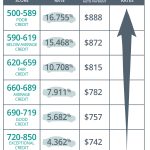 How Your Credit Score Impacts Vehicle Insurance Rates
5. Coverage Options: The type and amount of coverage you choose directly impact your rates. Opting for comprehensive coverage or higher liability limits will increase your premium.
6. Credit Score: Your credit history can affect your insurance rates. Insurers often view a poor credit score as an indicator of higher risk.
7. Mileage: The distance you drive annually can also play a role. More time on the road increases the likelihood of an accident, leading to higher premiums.
By understanding these factors, you can make informed decisions to help manage and potentially reduce your car insurance costs.
⬇️ Look Also The Role Of Vehicle Type In Determining Insurance Costs
Which four factors most often affect the cost of auto insurance?
Several factors can significantly influence the cost of auto insurance. Here are four of the most important ones:
1. Driving Record: Your driving history is one of the most critical factors. Insurance companies assess your record for accidents, traffic violations, and claims made in the past. A clean driving record often leads to lower premiums, whereas multiple incidents can increase your rates.
2. Vehicle Type: The make and model of your car play a significant role. Cars that are more expensive to repair or replace, or those that have higher rates of theft, usually attract higher insurance premiums. Additionally, sporty cars are often associated with higher risks, leading to increased costs.
3. Location: Your residential area can dramatically affect your insurance rates. Urban areas tend to have higher crime rates and more accidents than rural locations, which can lead to higher premiums. Additionally, the availability of local services and emergency response can also be considered.
⬇️ Look Also Common Mistakes To Avoid When Buying Home Insurance
4. Personal Factors: Your age, gender, and credit score can impact rates. Younger drivers typically face higher costs due to limited experience, while certain demographic traits may statistically correlate with higher risk. Moreover, a good credit score often results in better premium rates, as it demonstrates financial responsibility.
Understanding these factors can help you make informed decisions when shopping for auto insurance.
Which of the following factors has the most effect on your auto insurance rates?
When it comes to auto insurance rates, several factors play a significant role. However, the following are generally considered the most impactful:
1. Driving Record: Your driving history is one of the key determinants of your auto insurance rates. A clean record with no accidents or traffic violations typically results in lower premiums, while a history of accidents or DUIs can significantly increase your rates.
2. Type of Vehicle: The make and model of your vehicle also affects your insurance. Cars that are expensive to repair, those that have higher theft rates, or sporty cars are often associated with higher premiums.
3. Location: Where you live can have a big impact on your rates. Areas with high crime rates or heavy traffic can lead to higher insurance costs due to increased risk.
4. Coverage Level: The amount of coverage you choose directly influences your premium. Opting for a higher deductible or lower coverage limits can help reduce your rates, but it’s important to balance this with adequate protection.
5. Credit Score: In many states, insurers use your credit score as a factor in determining your premiums. Better credit scores often correlate with lower rates, as they suggest financial responsibility.
6. Age and Gender: Younger drivers, especially males, tend to pay higher rates due to their inexperienced driving and statistically higher risk of accidents.
In summary, while all these factors are important, your driving record and the type of vehicle you drive are often the most critical elements that affect your auto insurance rates.
How do driving habits influence car insurance premiums?
Driving habits significantly influence car insurance premiums. Insurers assess risk based on factors such as accident history, mileage, and traffic violations. Safe driving leads to lower premiums, while reckless behaviors increase the likelihood of claims, resulting in higher costs. Additionally, consistent safe driving can qualify drivers for discounts, enhancing their financial savings on insurance.
What specific driving behaviors are considered by insurers when calculating rates?
Insurers consider several specific driving behaviors when calculating rates, including speeding violations, accidents history, frequency of claims, braking patterns, and mileage driven. These factors help assess the risk profile of the driver, ultimately influencing their insurance premiums.
Can improving driving habits lead to discounts on vehicle insurance?
Yes, improving driving habits can lead to discounts on vehicle insurance. Many insurance companies offer usage-based insurance programs that monitor driving behavior. Safe driving, such as avoiding hard braking and maintaining speed limits, can result in lower premiums and potential rewards.

En este sentido, a continuación te presentamos un video que explora cómo los hábitos de conducción pueden influir en las tarifas del seguro de vehículo.
How To Handle A Denied Vehicle Insurance Claim

The Benefits Of Usage-Based Vehicle Insurance Policies

Vehicle Insurance For Electric Cars: What You Need To Know

The Importance Of Gap Insurance For New Car Owners

How To Compare Vehicle Insurance Quotes Effectively

A Beginner’s Guide To Vehicle Insurance For New Drivers
Deja una respuesta