

A Beginner’s Guide To Vehicle Insurance For New Drivers
Welcome to our guide! If you're a new driver, understanding vehicle insurance can be overwhelming. In this article, we’ll break down the essentials of vehicle insurance, discuss types of coverage, and provide tips on how to choose the right policy for your needs. Let's get started!
⭐ Table of content
Understanding the Basics: Essential Vehicle Insurance Terms Every New Driver Should Know
When it comes to vehicle insurance, there are several essential terms that every new driver should be familiar with to make informed financial decisions. Here are some key concepts explained:
1. Premium: This is the amount you pay for your insurance coverage, typically on a monthly or annual basis. The cost of your premium can vary based on factors such as your driving history, age, and the type of vehicle you drive.
2. Deductible: The deductible is the amount you agree to pay out of pocket before your insurance kicks in. A higher deductible usually means a lower premium, but it also means more expenses for you in case of a claim.
⬇️ Look Also How To Compare Vehicle Insurance Quotes Effectively
3. Coverage Limits: These are the maximum amounts your insurance company will pay for a covered loss. Understanding your coverage limits is crucial because it determines how much financial protection you have in different situations.
4. Liability Coverage: This covers damages to other people's property or medical expenses if you are at fault in an accident. While it’s mandatory in most places, the required minimum may not provide sufficient protection.
5. Comprehensive Insurance: Comprehensive coverage protects against non-collision-related incidents, such as theft, vandalism, or natural disasters. This type of coverage can help safeguard your investment in your vehicle.
6. Collision Coverage: This covers damages to your vehicle resulting from a collision with another car or object. It’s important for new drivers to consider whether this coverage is necessary based on the value of their car.
⬇️ Look Also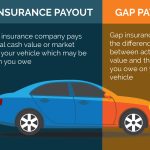 The Importance Of Gap Insurance For New Car Owners
7. Uninsured/Underinsured Motorist Protection: This provides coverage if you’re involved in an accident with a driver who has little or no insurance. This can be vital for protecting yourself financially.
8. Exclusions: These are specific situations or types of damage that are not covered by your policy. Knowing what is excluded can help you avoid unexpected costs after a claim.
9. Policyholder: The person or entity that owns the insurance policy. As a new driver, you'll be the policyholder if you're taking out your own insurance.
10. Roadside Assistance: Optional coverage that helps when you experience breakdowns or emergencies, providing services like towing or battery jump-starts. It can offer peace of mind, especially for new drivers.
⬇️ Look Also How Driving Habits Affect Vehicle Insurance Rates
Understanding these terms can help you navigate the often complex world of vehicle insurance and make better financial choices when selecting a policy.
What is the best car insurance for first timers?
When it comes to finding the best car insurance for first-timers, several key factors come into play. Here are some tips to guide you through the process:
1. Understand Your Coverage Needs: Before selecting an insurance policy, it's essential to evaluate what type of coverage you need. For first-time drivers, liability insurance is usually required by law, but consider adding comprehensive and collision coverage for added protection.
2. Shop Around for Quotes: Don’t settle for the first insurance quote you receive. Comparison shopping can save you a significant amount on your premiums. Use online tools to compare policies from different providers easily.
⬇️ Look Also How To Choose The Best Vehicle Insurance For Your Needs
3. Look for Discounts: Many insurance companies offer discounts specifically for first-time drivers or young drivers. Look for policies that provide discounts for good grades, safe driving courses, or bundling with other types of insurance.
4. Consider Insurance Companies with Good Customer Service: When choosing a provider, check reviews and ratings for customer service. First-timers may have questions or need assistance, so responsive customer support is crucial.
5. Evaluate the Financial Stability of the Insurer: It’s wise to choose an insurer with a strong financial rating, ensuring they can pay claims efficiently in the event of an accident. Check ratings from agencies like A.M. Best or J.D. Power.
6. Read the Fine Print: Always review the policy details before signing. Pay close attention to deductibles, coverage limits, and any exclusions that may affect your overall protection.
⬇️ Look Also Understanding The Different Types Of Vehicle Insurance Coverage
7. Start with Basic Coverage: As a first-time driver, you might want to start with basic coverage and gradually increase it as you gain experience. This approach can help keep costs manageable while you learn the ropes of driving.
By considering these points, first-time car insurance buyers can make informed decisions, ensuring that they find a policy that fits both their needs and their budget.
What is the cheapest car insurance for new drivers?
Finding the cheapest car insurance for new drivers can be a bit challenging, but there are several strategies and options that can help lower costs. Here are some key points to consider:
1. Compare Quotes: It's essential to compare quotes from multiple insurance providers. Many websites allow you to input your information and receive various quotes, helping you find the most affordable option.
2. Look for Discounts: Many insurers offer discounts specifically for new drivers or young drivers. You may qualify for savings based on good grades, completing a driver’s education course, or even bundling insurance policies (like home and auto).
3. Choose a High Deductible: Opting for a higher deductible can reduce your premium. However, ensure that you can afford the deductible in case of a claim.
4. Use a Smaller Car: Insurance costs often vary based on the vehicle's type. Generally, smaller, less powerful cars are cheaper to insure. Research the insurance rates of different models before making a purchase.
5. Maintain a Clean Driving Record: As a new driver, keeping a clean driving record is crucial. Avoid accidents and traffic violations to prevent your premiums from increasing.
6. Consider Usage-Based Insurance: Some companies offer usage-based insurance, which tracks your driving habits through an app or device. If you drive safely, you may receive lower premiums.
7. Ask About Special Programs: Some insurance companies have special programs for new drivers that offer lower rates for a specified period as they build their driving history.
By following these strategies, new drivers can effectively find the cheapest car insurance that fits their needs while still ensuring adequate coverage. Always keep in mind that the goal is not just to find the lowest price but to balance cost with the necessary level of protection.
Why is insurance so high for a new driver?
Insurance rates for new drivers are often significantly higher due to several key factors.
Firstly, lack of driving experience is a major reason. New drivers are typically less skilled at handling various driving situations, which increases the risk of accidents. Insurance companies assess risk based on historical data, and since new drivers have little to no driving history, they are classified as higher risk.
Secondly, age plays a crucial role. Many new drivers fall into the teenage demographic, which is statistically more prone to accidents. This demographic has a higher frequency of risky driving behaviors, such as speeding or distracted driving, leading insurers to set higher premiums.
Additionally, the type of vehicle can impact insurance costs. New drivers often choose cars that are more expensive to insure, either because they are new models or because they are considered high-performance vehicles. These factors contribute to higher repair costs in the event of an accident, influencing overall premiums.
Moreover, state laws and regulations can also affect insurance rates. Some states require higher minimum coverage limits, which can increase premiums for all drivers, especially new ones who might not fully understand their insurance needs.
Lastly, credit history can influence insurance rates. Many insurers consider credit scores when determining premiums, and if a new driver has limited credit history, they may be charged a higher rate until they establish a more solid financial background.
In summary, the combination of inexperience, age-related risks, vehicle choice, state regulations, and credit history all contribute to why insurance is higher for new drivers. As they gain experience and build a positive driving record, their insurance premiums typically decrease over time.
How to insure your first car?
Insuring your first car can be an exciting yet daunting task. Here’s a step-by-step guide to help you navigate the process:
1. Understand Your Insurance Needs: Before you start shopping for insurance, it's important to know what type of coverage you need. Consider factors such as your driving experience, the value of the car, and any financing requirements. Typically, you'll need at least liability coverage, which is required by law in most states.
2. Research Different Types of Coverage: Familiarize yourself with the various types of car insurance available:
- Liability Insurance: Covers damage to others if you're at fault.
- Collision Coverage: Pays for repairs to your own car after an accident.
- Comprehensive Coverage: Covers non-collision incidents like theft or natural disasters.
- Uninsured/Underinsured Motorist Coverage: Protects you in case you're hit by someone without insurance.
3. Gather Necessary Information: When obtaining quotes, have the following information ready:
- Your driver's license number
- Vehicle identification number (VIN)
- Information about the car (make, model, year)
- Driving history (any accidents or violations)
4. Compare Quotes from Multiple Insurers: Don’t settle for the first quote you receive. Comparing quotes from different insurance companies can help you find the best rates. Websites that aggregate quotes can save you time.
5. Check for Discounts: Look for discounts that may apply to you. Many insurers offer:
- Good Student Discounts: For students with good grades.
- Safe Driver Discounts: For those with a clean driving record.
- Bundling Discounts: If you insure other policies (like renters or home insurance) with the same company.
6. Review the Policy Carefully: Once you’ve selected an insurance provider, read through the policy in detail. Ensure you understand the terms, conditions, and exclusions. Pay attention to your deductible, which is the amount you’ll pay out-of-pocket before insurance kicks in.
7. Make Your First Payment: Most insurers will require the first month’s premium upfront before your coverage begins. Be sure to budget for this expense.
8. Maintain Good Records: Keep copies of your insurance policy and payment receipts. It’s also helpful to keep documentation of any maintenance or repairs done on your vehicle.
9. Review Your Coverage Annually: As your driving experience grows, or if your financial situation changes, review your insurance policy each year to ensure you still have the right coverage.
By following these steps, you can confidently insure your first car and understand the financial responsibilities that come with it. Always remember that being well-informed can lead to smarter financial decisions in the long run!
What are the essential types of vehicle insurance coverage that new drivers should consider?
New drivers should consider the following essential types of vehicle insurance coverage:
1. Liability Coverage: Covers damages and injuries to others if you're at fault in an accident.
2. Collision Coverage: Pays for repairs to your vehicle after a collision, regardless of fault.
3. Comprehensive Coverage: Protects against non-collision-related incidents, such as theft or natural disasters.
4. Uninsured/Underinsured Motorist Coverage: Provides protection if you're in an accident with a driver who lacks adequate insurance.
5. Personal Injury Protection (PIP): Covers medical expenses for you and your passengers, regardless of fault.
Choosing the right combination ensures financial protection while driving.
How can new drivers find affordable vehicle insurance rates?
New drivers can find affordable vehicle insurance rates by following these steps:
1. Compare Quotes: Use online comparison tools to obtain multiple quotes from various insurers.
2. Understand Coverage Needs: Assess the required coverage versus optional add-ons to avoid over-insurance.
3. Seek Discounts: Look for discount opportunities such as good student discounts, safe driving programs, or bundling policies.
4. Choose a Higher Deductible: Opting for a higher deductible can reduce monthly premiums.
5. Maintain a Clean Driving Record: A clean driving record helps in securing better rates over time.
By taking these steps, new drivers can effectively navigate and lower their insurance costs.
What factors affect vehicle insurance premiums for new drivers?
Several factors affect vehicle insurance premiums for new drivers. These include age, as younger drivers typically face higher rates due to inexperience; driving history, where a clean record can lead to lower premiums; location, as urban areas often have higher accident rates; type of vehicle, since more expensive or powerful cars can elevate costs; and credit score, with better scores often resulting in lower premiums.

En este contexto, te invitamos a ver un video que ofrece una guía completa sobre el seguro de vehículos para conductores novatos, profundizando en los aspectos esenciales que debes conocer.
How To Handle A Denied Vehicle Insurance Claim

The Benefits Of Usage-Based Vehicle Insurance Policies

Vehicle Insurance For Electric Cars: What You Need To Know

How Driving Habits Affect Vehicle Insurance Rates

The Importance Of Gap Insurance For New Car Owners

How To Compare Vehicle Insurance Quotes Effectively
Deja una respuesta