

What Is A Good Credit Score
A good credit score is essential for maintaining a healthy financial profile. Credit scores typically range from 300 to 850, with higher scores indicating better creditworthiness. Understanding the components that contribute to a good credit score can significantly impact your financial health.
One of the most crucial metrics is payment history, which accounts for approximately 35% of your credit score. This metric reflects your ability to pay bills on time. Late payments, defaults, or bankruptcies can severely damage your score.
Another key component is credit utilization ratio, which makes up about 30% of your credit score. This ratio measures the amount of credit you are using compared to your total available credit. A lower utilization rate, ideally below 30%, indicates responsible credit management.
⭐ Table of content
What is a good credit score by age?
A good credit score can vary by age, reflecting different financial behaviors and experiences. Here’s a breakdown of what constitutes a good credit score by age group:
⬇️ Look Also How To Check My Credit Score
1. Young Adults (18-24 years):
- A score of 670 or higher is considered good. This age group often has limited credit history, so establishing accounts responsibly early on is crucial.
2. Adults (25-34 years):
- A good credit score for this group typically falls between 680 and 740. By this age, individuals usually have more credit accounts and a better understanding of managing their finances.
3. Middle-aged Adults (35-44 years):
- Scores in the range of 700 to 750 are viewed as good to excellent. People in this age bracket often have a mix of credit types and may have larger loans, such as mortgages.
4. Older Adults (45-54 years):
- A good credit score is generally around 720 to 780. Individuals in this age group typically benefit from longer credit histories and established credit management habits.
 What Is The Highest Credit Score
5. Seniors (55+ years):
- For seniors, a score of 740 or higher is often considered favorable. By this stage, individuals usually have ample credit experience, making it easier to maintain high scores.
In general, a good credit score indicates responsible credit use, timely payments, and an overall healthy financial behavior, irrespective of age. It's essential to monitor your credit regularly and seek ways to improve it as necessary.
How rare is a 700 credit score?
A credit score of 700 is generally considered to be a good score and places you in the "good" credit range. However, the rarity of achieving this score can vary depending on several factors.
In the United States, the most commonly used credit scoring model is FICO, which ranges from 300 to 850. A score of 700 or higher indicates that you are a responsible borrower and are likely to receive favorable loan terms and interest rates.
⬇️ Look Also How To Improve Credit Score
Regarding how rare a 700 credit score is, statistics suggest that approximately 60-70% of Americans have credit scores below 700. This means that while it is not extraordinarily rare, achieving this score still puts you in a better position than a significant portion of the population.
Additionally, factors such as age, income, and financial literacy can influence credit scores. Younger individuals may find it more challenging to reach a 700 credit score due to limited credit history. In contrast, those with a longer credit history often have a better chance of attaining and maintaining a score in this range.
In summary, while a 700 credit score is not the highest possible score, it is distinct enough to reflect positive credit behavior and is achieved by a smaller segment of the population.
What is a respectable credit score?
A respectable credit score typically ranges from 700 to 749, which is generally considered "good." Scores above 750 are classified as "very good" to "excellent."
⬇️ Look Also What Credit Score Do You Start With
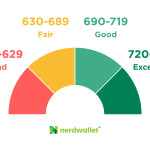
Here's a breakdown of the credit score ranges based on the FICO scoring model:
-
- 300-579: Poor
-
- 580-669: Fair
-
- 670-739: Good
-
- 740-799: Very Good
-
- 800-850: Excellent
Having a credit score in the good or very good range can significantly improve your chances of getting approved for loans and credit cards, as well as securing better interest rates. It's important to regularly monitor your credit score and take steps to maintain or improve it, such as paying bills on time, keeping credit utilization low, and avoiding excessive hard inquiries.
How many people have a credit score over 800?
As of recent data, approximately 22% of Americans have a credit score over 800. This score is considered to be in the "excellent" range, indicating that these individuals are likely to receive favorable interest rates and terms on loans and credit cards. Achieving a score above 800 is relatively rare, as it requires a strong credit history, low credit utilization, and timely payments.
Maintaining such a high credit score can provide significant financial benefits, including lower insurance premiums and increased likelihood of loan approvals. Understanding the factors that contribute to a high credit score can help individuals work towards achieving this financial milestone.
⬇️ Look Also How To Fix Credit Score
What is considered a good credit score range?
A good credit score typically falls within the range of 700 to 749. Scores above 750 are considered excellent, while scores below 600 may be viewed as poor. Maintaining a score in the good range can improve your chances of securing loans and favorable interest rates.
How can I improve my credit score if it is currently low?
To improve your credit score if it's currently low, focus on the following steps:
1. Pay bills on time: Late payments significantly impact your score.
2. Reduce credit card balances: Aim to keep your credit utilization below 30%.
3. Avoid new hard inquiries: Limit applications for new credit to prevent further drops in your score.
4. Check credit reports for errors: Dispute any inaccuracies immediately.
5. Consider becoming an authorized user: This can help build credit with someone else's positive history.
By consistently applying these strategies, you can enhance your credit standing over time.
⬇️ Look Also Minimum Credit Score To Lease A Car
What factors contribute to determining a good credit score?
Several factors contribute to determining a good credit score, including:
1. Payment History: Timely payments on loans and credit cards have a significant positive impact.
2. Credit Utilization Ratio: Keeping your credit card balances low relative to your credit limits is crucial.
3. Length of Credit History: A longer credit history can enhance your score.
4. Types of Credit: Having a mix of credit types (e.g., installment loans, credit cards) can be beneficial.
5. New Credit Inquiries: Limit the number of hard inquiries, as too many can lower your score.
Maintaining these factors can help achieve and maintain a strong credit score.

Para ampliar este tema, te presentamos un video que explica qué es un buen puntaje de crédito y por qué es fundamental para tus finanzas.
What Licenses Are Needed To Start A Cleaning Business

Credit Score Needed For Discover Card

Minimum Credit Score To Lease A Car

Credit Score Simulator Credit Karma

Credit Score Needed For Apple Card

Credit Score For Amazon Card
Deja una respuesta