

What Credit Score Do You Start With
When embarking on your financial journey, understanding your initial credit score is crucial. Your credit score is a three-digit number that reflects your creditworthiness, and it can significantly impact your financial opportunities.
The score typically ranges from 300 to 850, with higher scores indicating better credit health. The primary factors influencing your score include payment history, credit utilization, length of credit history, types of credit, and new credit inquiries.
⭐ Table of content
What credit score does an 18 year old start with?
An 18-year-old typically starts with a credit score of zero or no credit history at all. This is because credit scores are calculated based on credit reports, which require a history of borrowing and repayment to generate a score.
When you first turn 18, if you haven't opened any credit accounts, you won't have a score. However, as you begin to use credit responsibly, such as through a student credit card or becoming an authorized user on a parent's credit card, you can start to build your credit history.
⬇️ Look Also How To Build Credit Score
It's important for young adults to manage their credit wisely early on, as this will help them establish a strong credit profile that can benefit them in the future, especially when applying for loans, mortgages, or other financial products.
What is your credit score when you first start?
When you first start establishing credit, your credit score is typically not assigned until you have sufficient credit history. In general, a credit score ranges from 300 to 850, with higher scores indicating better creditworthiness.
Initially, if you have never borrowed money or opened a credit account, your credit score might be considered nonexistent or very low. Once you begin to engage in credit activities, such as obtaining a credit card or taking out a loan, your score will gradually develop based on several factors including:
1. Payment History: Making timely payments can significantly boost your score.
2. Credit Utilization Ratio: Keeping your credit usage below 30% of your total limit is ideal.
3. Length of Credit History: Longer credit histories are viewed more favorably.
4. Types of Credit: A mix of credit accounts can enhance your score.
5. New Credit Inquiries: Multiple inquiries within a short period may negatively impact your score.
 How To Fix Credit Score
Building a solid credit history takes time, so it's important to be patient and responsible with your financial practices from the start. By consistently managing your credit wisely, you can improve your score over time.
How long does it take to get a 700 credit score?
Achieving a 700 credit score can vary significantly based on several factors, including your starting score, credit history, financial behavior, and the specific actions you take to improve your credit. Here’s a breakdown of the timeframes involved:
1. Starting Point: If you're beginning with a low score (e.g., below 600), it could take several months to a few years to reach a 700 score, depending on the severity of negative items on your report.
2. Consistent Payments: Making on-time payments for all your bills is crucial. This positive behavior can lead to significant increases in your score within just a few months.
⬇️ Look Also What Is The Highest Credit Score Possible
3. Credit Utilization: Keeping your credit utilization ratio below 30% is essential. Lowering high balances can show improvements fairly quickly, often within 3 to 6 months.
4. Length of Credit History: Your credit age also plays a role. If you have a long-term, positive credit history, you may reach a 700 score more quickly than someone with a shorter history.
5. Debt Management: Paying down existing debts and avoiding new ones helps improve your score. This process may take several months to over a year, depending on the amount of debt.
6. Disputing Errors: If there are any inaccuracies on your credit report, contesting these can result in a quicker boost to your score, potentially within a few weeks once the errors are rectified.
⬇️ Look Also How To Improve Credit Score
In summary, while there is no set timeline, reaching a 700 credit score typically requires consistent effort and good financial habits over a period of several months to a few years. By focusing on the key factors mentioned above, you can expedite the process and improve your creditworthiness effectively.
How to start with a 700 credit score?
Starting with a 700 credit score is a great position to be in, as this score is generally considered "good" in most scoring models. Here are some steps you can take to maintain and improve your credit profile:
1. Monitor Your Credit Report: Regularly check your credit report for any inaccuracies or fraudulent activities. You can obtain a free copy of your credit report from each of the major credit bureaus once a year.
2. Make Payments on Time: Payment history is a significant factor in your credit score. Always make sure to pay your bills on time, including credit cards, loans, and utilities.
⬇️ Look Also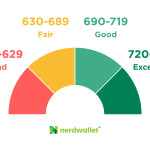 What Is The Highest Credit Score
3. Keep Credit Utilization Low: Aim to keep your credit utilization ratio below 30%. This means that if you have a credit limit of $10,000, you should try to keep your balance under $3,000.
4. Diversify Your Credit Mix: Having a mix of different types of credit accounts, such as installment loans and revolving credit, can positively impact your score. However, only take on new credit when necessary.
5. Avoid Opening Too Many New Accounts: Each new account you open can result in a hard inquiry, which may temporarily lower your score. Limit new credit applications to needed ones.
6. Keep Old Accounts Open: The age of your credit history matters. Keeping older accounts open, even if you don’t use them often, can help improve your score by increasing your credit history length.
7. Set Up Alerts and Reminders: Use tools or apps to set up payment reminders or alerts for due dates. This will help you stay organized and ensure timely payments.
8. Consider Becoming an Authorized User: If you have a trusted friend or family member with a strong credit history, consider asking if you can become an authorized user on their credit card. This can help boost your credit score without the need to apply for new credit.
9. Use Credit Wisely: Even with a good score, it's essential to use your credit responsibly. Avoid accumulating debt that you can’t repay.
By following these steps, you can not only maintain your 700 credit score but also work towards increasing it further over time. Remember, consistency is key!
What is the average credit score for a first-time borrower?
The average credit score for a first-time borrower typically ranges between 620 and 680. This range indicates a fair to good creditworthiness, but it can vary based on factors like payment history and credit utilization.
How can I check my initial credit score?
To check your initial credit score, you can request a free report from each of the three major credit bureaus: Experian, Equifax, and TransUnion. Additionally, many financial institutions and websites offer free credit score checks. Ensure you do this annually to stay informed about your credit profile.
What factors influence your starting credit score?
Several factors influence your starting credit score, including payment history, which accounts for a significant portion of your score, credit utilization ratio, the length of your credit history, the types of credit accounts you have, and recent inquiries into your credit. Each of these elements plays a crucial role in determining your initial score.

Para entender mejor este tema, te presentamos un video que explora qué puntuación de crédito puedes esperar al comenzar y cómo puede afectar tus finanzas.
What Licenses Are Needed To Start A Cleaning Business

Credit Score Needed For Discover Card

Minimum Credit Score To Lease A Car

Credit Score Simulator Credit Karma

Credit Score Needed For Apple Card

Credit Score For Amazon Card
Deja una respuesta