

How To Save Money On Health Insurance Without Sacrificing Coverage
If you're looking to cut costs on health insurance while maintaining solid coverage, you've come to the right place. This article explores practical strategies to save money without compromising on the benefits you deserve. Read on to discover how you can maximize your savings effectively.
⭐ Table of content
Smart Strategies to Cut Health Insurance Costs While Maintaining Quality Coverage
When it comes to managing health insurance costs, there are several smart strategies that can help you maintain quality coverage without breaking the bank.
First, consider participating in a Health Savings Account (HSA). This allows you to save money tax-free for medical expenses. Contributions made to an HSA can lower your taxable income and provide a buffer against high healthcare costs.
Another effective strategy is to shop around for plans. Every year, health insurance companies adjust their rates and coverage options. By comparing different plans during open enrollment, you can identify a policy that meets your needs at a more affordable price.
⬇️ Look Also Health Insurance For Expats: What You Need To Know
Utilizing preventive care services can also cut long-term costs. Many insurance plans cover preventive services like vaccinations and screenings at no cost, which helps avoid more expensive treatments later on.
Additionally, consider exploring telehealth options. These services can be significantly cheaper than traditional in-person visits, offering a convenient way to access healthcare without incurring high costs.
If you’re employed, check if your employer offers a wellness program. Many organizations provide incentives for employees to improve their health, which can lead to lowered premiums and out-of-pocket costs.
Lastly, don’t overlook the possibility of adjusting your d deductible. While a higher deductible may seem risky, it often results in lower monthly premiums. Just ensure you have the financial means to cover the deductible in case of unexpected medical expenses.
⬇️ Look Also The Pros And Cons Of Private Vs. Public Health Insurance
Implementing these strategies can help you effectively manage your health insurance costs while ensuring you still have access to quality coverage.
Reducing the amount you pay for health insurance premiums can significantly impact your overall financial health. Here are several strategies you can consider:
1. Shop Around: Always compare different insurance providers and plans. Websites like the Health Insurance Marketplace can help you see various options. Don’t settle for the first quote you receive.
2. Increase Your Deductible: If you’re comfortable with a higher out-of-pocket cost in case of a medical emergency, consider choosing a plan with a higher deductible. This typically lowers your monthly premium. Just make sure you have savings set aside for potential medical expenses.
⬇️ Look Also How And When To Enroll In Health Insurance
3. Explore Employer Options: If your employer offers health insurance, take time to evaluate the options available. Often, employer-sponsored plans provide better rates and coverage compared to individual plans.
4. Utilize Health Savings Accounts (HSAs): If eligible, contribute to an HSA. These accounts allow you to save money tax-free for medical expenses, effectively reducing your overall healthcare costs over time.
5. Consider Short-Term Health Insurance: While not ideal for everyone, short-term plans can be cheaper if you need temporary coverage or are between jobs. Be aware, however, that these plans may offer limited benefits.
6. Maintain a Healthy Lifestyle: Many insurers offer discounts for maintaining good health, which might include regular exercise or weight management. Preventive care can also help you avoid higher costs in the future.
⬇️ Look Also The Impact Of Health Insurance On Mental Health Care Access
7. Look for Subsidies: Depending on your income, you may qualify for subsidies through the Health Insurance Marketplace. These can significantly lower your premiums. Check your eligibility before purchasing a plan.
8. Review Your Coverage Needs: Assess your actual health needs and only pay for what you require. Avoid unnecessary coverage options that might inflate your premium.
9. Join a Wellness Program: Some insurers offer reduced premiums for those who participate in wellness programs. These programs often focus on preventative health measures and can lead to lower costs.
10. Negotiate Your Premiums: In some cases, it’s possible to negotiate your premiums directly with the insurer. Don’t hesitate to ask if there’s any room for adjustments based on your circumstances.
⬇️ Look Also How To Compare Vehicle Insurance Quotes Effectively
By implementing these strategies, you can effectively reduce your health insurance premiums and improve your financial situation. Always keep your long-term health and financial needs in mind when making decisions.
How can a person save money on health insurance?
Saving money on health insurance can be a vital aspect of managing personal finances. Here are some effective strategies:
1. Shop Around: Compare different insurance plans by using online marketplaces. This allows you to find policies that suit your needs and budget. Explore various providers and their offerings to ensure you're making an informed choice.
2. Increase Your Deductible: A higher deductible usually lowers your monthly premium. If you're in good health and do not expect many medical expenses, consider selecting a plan with a higher deductible to save on premiums.
⬇️ Look Also A Beginner's Guide To Understanding Health Insurance Terms
3. Utilize Health Savings Accounts (HSAs): If you have a high-deductible health plan, you can contribute to an HSA. This account allows you to save money tax-free for medical expenses, effectively reducing your taxable income. Maximize contributions to your HSA to optimize savings.
4. Evaluate Your Coverage Needs: Review your health needs annually. If your health status changes, consider adjusting your coverage. You may not need the same level of coverage each year, which can help lower costs.
5. Preventive Care: Take advantage of preventive services that many insurance plans cover at no cost. Regular check-ups and screenings can help catch health issues early, potentially saving you from more costly treatments later.
6. Group Insurance Options: If you are self-employed or your employer offers group insurance, take advantage of group plans, as they typically have lower premiums compared to individual plans.
7. Stay In-Network: Use doctors and facilities that are in your insurance network to avoid higher out-of-pocket costs. Being mindful of network restrictions can lead to significant savings.
8. Look for Discounts: Some insurers offer discounts for healthy lifestyle choices, such as not smoking or participating in wellness programs. Inquire about available discounts when reviewing your health insurance options.
9. Consider Telehealth Services: Accessing healthcare through telemedicine can be cheaper than in-person visits. Utilize telehealth services when appropriate to save on copays and travel expenses.
By implementing these strategies, individuals can effectively reduce their health insurance costs while still maintaining essential coverage for their health needs.
Is $200 a month a lot for health insurance?
Whether $200 a month is a lot for health insurance depends on several factors, including your location, age, the coverage level, and your specific health needs. Here are some key considerations:
1. Location: Health insurance costs vary significantly by state and even within different areas of the same state. In some regions, $200 may be considered affordable, while in others, it could be viewed as expensive.
2. Type of Coverage: The plan you choose can greatly impact the cost. For instance, a high deductible health plan (HDHP) might have lower monthly premiums but higher out-of-pocket costs, whereas a plan with a lower deductible may cost more upfront.
3. Age and Health Status: Younger, healthier individuals often pay lower premiums compared to older adults or those with chronic health conditions. If you're in good health, $200 could be on the lower end of what you might expect to pay.
4. Subsidies and Employer Contributions: If you're purchasing insurance through the healthcare marketplace, you might qualify for subsidies that can lower your monthly premium. Additionally, if your employer covers part of your insurance, your contribution could be significantly less than $200.
5. Personal Financial Situation: Consider how this expense fits into your overall budget. For some, $200 may be manageable, while for others, it could represent a significant financial burden.
In summary, $200 a month for health insurance can be considered reasonable or excessive depending on individual circumstances, and it's essential to assess your specific situation and needs when evaluating whether it's a lot.
What does Dave Ramsey say about health insurance?
Dave Ramsey emphasizes the importance of having adequate health insurance as part of a sound financial plan. He believes that health insurance protects you from devastating medical expenses that can derail your financial stability. Here are some key points he makes regarding health insurance:
1. Evaluate Your Options: Ramsey advises individuals to explore different health insurance plans to find the one that best suits their needs and budget. Understanding the details of coverage, deductibles, and premiums is crucial.
2. Employer-Sponsored Plans: If available, utilizing employer-sponsored health insurance can be a cost-effective way to secure coverage, as employers often cover a portion of the premium costs.
3. Emergency Fund: Ramsey suggests maintaining an emergency fund to handle out-of-pocket medical expenses that may not be covered by insurance, ensuring that unexpected health issues do not lead to financial strain.
4. Health Savings Accounts (HSAs): He often recommends using Health Savings Accounts for those with high-deductible health plans, which can provide tax advantages while helping to cover medical costs.
5. Avoiding Unnecessary Debt: Ramsey stresses the importance of not going into debt for medical expenses. Having proper health insurance helps mitigate the risk of large bills that could lead to financial trouble.
In summary, Dave Ramsey sees health insurance as a critical component of financial health, emphasizing smart planning and precautionary measures to safeguard against unexpected medical costs.
What are the most effective strategies for reducing health insurance premiums while maintaining adequate coverage?
To reduce health insurance premiums while maintaining adequate coverage, consider the following effective strategies:
1. Shop Around: Regularly compare plans from different insurers to find the best rates and coverage options.
2. Increase Deductibles: Opt for a higher deductible plan, which typically lowers premium costs.
3. Utilize Health Savings Accounts (HSAs): Contribute to HSAs to save on taxes and pay for eligible medical expenses tax-free.
4. Stay Healthy: Engage in preventive care and wellness programs, as many insurers offer discounts for healthy lifestyles.
5. Bundle Insurance Policies: Consider bundling health insurance with other policies (like auto or home) for potential discounts.
By implementing these strategies, you can effectively reduce your premiums without sacrificing necessary coverage.
How can I compare different health insurance plans to find the best value for my needs?
To compare different health insurance plans effectively, start by assessing your healthcare needs and the coverage options each plan offers. Look at factors such as premium costs, deductibles, copayments, and network of providers. Utilize comparison tools online to evaluate the out-of-pocket maximums and benefit limits. Finally, consider any additional benefits that may add value to your plan, such as preventive care or wellness programs.
What role do health savings accounts (HSAs) play in saving money on health insurance costs?
Health Savings Accounts (HSAs) play a significant role in saving money on health insurance costs by allowing individuals to set aside pre-tax dollars for qualified medical expenses. Contributions are tax-deductible, and funds can grow tax-free, ultimately reducing overall healthcare expenses. Additionally, HSAs can lower monthly premiums when paired with high-deductible health plans (HDHPs), making them an effective tool for financial planning and managing healthcare costs.

Para ayudarte a entender mejor este tema, te presentamos un video que te enseñará cómo ahorrar en tu seguro de salud sin comprometer la cobertura que necesitas.
The Impact Of Health Insurance On Mental Health Care Access
How To Appeal A Denied Health Insurance Claim

5 Common Myths About Health Insurance Debunked

How And When To Enroll In Health Insurance
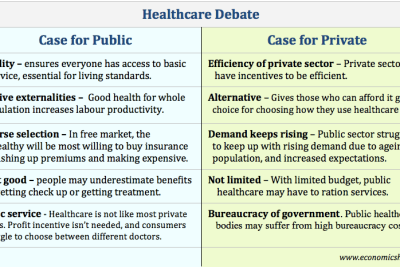
The Pros And Cons Of Private Vs. Public Health Insurance

Health Insurance For Expats: What You Need To Know
Deja una respuesta