
Understanding The Different Types Of Vehicle Insurance Coverage
Vehicle insurance is a crucial aspect of financial planning, as it helps protect you from unforeseen expenses related to accidents, theft, or damage. Understanding the various types of coverage available can significantly influence your financial well-being.
Liability coverage is often mandated by law and covers damages to other people's property and medical expenses if you are at fault in an accident. This type of coverage is essential for safeguarding your finances against lawsuits and claims from other drivers.
Collision coverage pays for damages to your vehicle resulting from a collision with another vehicle or object, regardless of fault. Having this coverage can prevent substantial out-of-pocket expenses if you're involved in an accident.
Comprehensive coverage protects against non-collision-related incidents such as theft, vandalism, or natural disasters. This broad protection can be vital for those living in areas prone to such risks, ensuring financial security against unexpected events.
⬇️ Look Also Top Tips To Lower Your Vehicle Insurance Premiums
Uninsured/underinsured motorist coverage is important for protecting yourself if you're involved in an accident with a driver who lacks adequate insurance. This coverage ensures that you are not left with high medical bills or vehicle repair costs due to someone else's lack of coverage.
Personal Injury Protection (PIP) or Medical Payments coverage helps cover medical expenses for you and your passengers, irrespective of fault. This can be particularly beneficial in alleviating the financial burden associated with healthcare costs following an accident.
When considering your vehicle insurance policy, it's also important to evaluate deductibles. A higher deductible typically means lower premiums, but it also requires more out-of-pocket expenses in the event of a claim. Balancing your deductible with your budget is a key element of financial planning.
⭐ Table of content
What are the 5 different types of coverage offered in auto insurance policies and what do they cover?
Auto insurance policies typically offer several types of coverage to protect drivers financially. Here are the five different types of coverage commonly included in auto insurance policies and what they cover:
⬇️ Look Also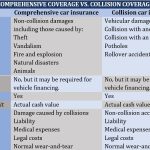 The Pros And Cons Of Comprehensive Vehicle Insurance
1. Liability Coverage
This is often required by law and protects you if you are found at fault for an accident that causes injury to others or damages their property. It includes two components: Bodily Injury Liability, which covers medical expenses for injured parties, and Property Damage Liability, which covers repair or replacement costs for damaged property.
2. Collision Coverage
This type of coverage pays for damage to your vehicle resulting from a collision with another car or object, regardless of who is at fault. It helps you cover repair costs or the total loss of your vehicle, making it essential for those who have financed or leased their cars.
3. Comprehensive Coverage
Comprehensive coverage protects against non-collision-related incidents, such as theft, vandalism, fire, or damage from natural disasters (like floods or hail). This coverage is also crucial for safeguarding your vehicle from various unforeseen risks.
4. Uninsured/Underinsured Motorist Coverage
This coverage comes into play if you are involved in an accident with a driver who either has no insurance or insufficient insurance to cover the damages. It helps pay for your medical expenses and damages when the other party cannot adequately compensate you.
 What To Do After A Car Accident: A Guide To Filing A Claim
5. Personal Injury Protection (PIP) or Medical Payments Coverage
PIP covers medical expenses for you and your passengers, regardless of who is at fault in an accident. It may also include other related costs such as lost wages or rehabilitation expenses. In some states, PIP is mandatory, while in others, you might find medical payments coverage as an alternative.
Understanding these types of coverage is essential for making informed decisions about auto insurance, ensuring you have the necessary protection against potential financial losses on the road.
How to explain insurance coverage?
Explaining insurance coverage in the context of finance involves breaking down its key components and significance. Here’s a comprehensive overview:
Insurance coverage is essentially a financial protection mechanism against potential risks or losses. When you purchase an insurance policy, you enter into a contract with an insurance company where you pay premiums in exchange for coverage against specified risks.
⬇️ Look Also 5 Common Myths About Health Insurance Debunked
1. Types of Insurance Coverage:
- Health Insurance: Covers medical expenses and health-related costs.
- Auto Insurance: Protects against damages to your vehicle or injuries resulting from accidents.
- Homeowners/Renters Insurance: Safeguards your property and belongings against theft, fire, or other disasters.
- Life Insurance: Provides financial support to beneficiaries in the event of the policyholder's death.
2. Premiums: This is the amount you pay periodically (monthly, quarterly, or annually) for your insurance policy. The cost of premiums can vary based on factors such as age, health status, location, and the level of coverage.
3. Deductibles: This refers to the amount you need to pay out-of-pocket before your insurance kicks in. Higher deductibles can often lead to lower premiums, but it means you’ll pay more in the event of a claim.
4. Coverage Limits: Each policy comes with limits on how much the insurance company will pay for covered losses. Understanding these limits is crucial to ensure that you have sufficient coverage for your needs.
⬇️ Look Also 10 Key Questions To Ask Before Choosing A Health Insurance Plan
5. Exclusions: These are specific situations or conditions that are not covered by the policy. It's vital to read and understand these exclusions to avoid surprises when filing a claim.
6. Importance in Financial Planning: Having adequate insurance coverage is a fundamental part of risk management in financial planning. It helps protect assets, ensures financial stability during unforeseen events, and contributes to a sense of security.
In summary, insurance coverage serves as a critical tool in managing financial risk, enabling individuals and businesses to navigate potential losses without devastating impacts on their financial health. Understanding the nuances of different policies and terms can significantly enhance one’s financial strategy and security.
What are the 4 most important types of insurance?
In the context of finance, the four most important types of insurance are:
⬇️ Look Also Top Factors That Affect Home Insurance Premiums
1. Health Insurance: This type of insurance is crucial for covering medical expenses. It helps individuals manage the costs associated with healthcare, including doctor visits, hospital stays, and prescription medications. Without adequate health coverage, medical bills can lead to significant financial strain.
2. Life Insurance: Life insurance provides financial protection to beneficiaries in the event of the policyholder's death. It ensures that loved ones have a safety net to cover living expenses, debts, and other financial obligations. This type of insurance can offer peace of mind knowing that family members will be taken care of financially.
3. Auto Insurance: Required in most places, auto insurance protects against financial loss due to accidents or theft involving vehicles. It covers damages to your car, liability for injuries or damages to others, and can help manage unexpected repair costs, making it essential for car owners.
4. Homeowners or Renters Insurance: Homeowners (or renters) insurance safeguards an individual's home and belongings against risks like fire, theft, and natural disasters. It also provides liability coverage if someone is injured on the property. This insurance is vital for protecting one of the most significant investments people make in their lives.
These types of insurance play a fundamental role in financial planning and risk management, ensuring individuals and families are protected against unforeseen events.
What is the best type of car insurance to have?
When considering the best type of car insurance, it's essential to evaluate your individual needs and financial situation. Here are the main types of car insurance and their benefits:
1. Liability Coverage: This is often the minimum required by law. It covers damages to other people and their property if you are at fault in an accident. It's crucial for protecting your finances from costly lawsuits. It's important to have adequate limits as this can prevent significant out-of-pocket expenses.
2. Collision Coverage: This covers damage to your own vehicle resulting from a collision, regardless of who is at fault. If you have a newer or more valuable car, this type of coverage can be vital for protecting your investment.
3. Comprehensive Coverage: This protects against non-collision events such as theft, vandalism, or natural disasters. If you live in an area prone to such risks, comprehensive coverage can save you from significant losses.
4. Uninsured/Underinsured Motorist Coverage: This type of insurance is essential if you're in an accident with someone who lacks sufficient insurance. It ensures that you are not left with high costs due to another party's lack of coverage.
5. Personal Injury Protection (PIP): This may cover medical expenses for you and your passengers, regardless of fault. In some states, it's mandatory. This coverage can be essential for ensuring medical expenses are taken care of after an accident.
6. Gap Insurance: If you're financing or leasing a vehicle, gap insurance covers the difference between what you owe on your loan and the current value of the car in case of a total loss. This can be critical for avoiding significant financial deficits.
In conclusion, the best type of car insurance combines various coverage forms tailored to your specific circumstances. Evaluating factors such as your vehicle's value, your driving habits, and local laws will help you make an informed decision. Always shop around for quotes and consider bundling policies for potential discounts. Ultimately, the right coverage will provide peace of mind and financial security on the road.
What are the main types of vehicle insurance coverage available to drivers?
The main types of vehicle insurance coverage available to drivers include:
1. Liability Coverage: Covers damages to others if you're at fault in an accident.
2. Collision Coverage: Pays for damage to your vehicle after a collision, regardless of fault.
3. Comprehensive Coverage: Protects against non-collision events, such as theft or natural disasters.
4. Personal Injury Protection (PIP): Covers medical expenses for you and your passengers, regardless of fault.
5. Uninsured/Underinsured Motorist Coverage: Protects you if you're involved in an accident with someone who lacks sufficient insurance.
How do different vehicle insurance coverage options affect my overall premium?
Different vehicle insurance coverage options can significantly affect your overall premium. Choosing higher coverage limits and adding optional coverages like comprehensive or collision will typically result in a higher premium. Conversely, opting for minimum required coverage can reduce your premium but may leave you financially vulnerable in case of an accident. It's essential to balance coverage needs with affordability when selecting your insurance options.
What factors should I consider when choosing the right vehicle insurance coverage for my needs?
When choosing the right vehicle insurance coverage, consider the following factors:
1. Coverage Types: Assess whether you need liability, collision, comprehensive, or a combination of these.
2. State Requirements: Check your state's minimum insurance requirements, as this can influence your choices.
3. Deductibles: Choose a deductible amount that fits your budget; higher deductibles often mean lower premiums.
4. Vehicle Value: Consider the current value of your vehicle to determine if comprehensive and collision coverage are necessary.
5. Driving Habits: Evaluate your driving frequency and style to assess risk levels and appropriate coverage.
6. Personal Finances: Analyze your financial situation to ensure premium costs align with your budget without sacrificing necessary coverage.
7. Provider Reputation: Research insurance providers for their claim handling and customer service reliability.
By evaluating these factors, you can make an informed decision on your vehicle insurance coverage.

Para ampliar el tema, te presentamos un video que explora los diferentes tipos de coberturas de seguro de vehículo y su importancia en la protección de tu automóvil.
How To Handle A Denied Vehicle Insurance Claim

The Benefits Of Usage-Based Vehicle Insurance Policies

Vehicle Insurance For Electric Cars: What You Need To Know

How Driving Habits Affect Vehicle Insurance Rates

The Importance Of Gap Insurance For New Car Owners

How To Compare Vehicle Insurance Quotes Effectively
Deja una respuesta