

How To Choose The Best Vehicle Insurance For Your Needs
Choosing the right vehicle insurance can be overwhelming. This guide will help you understand the key factors to consider, ensuring that you select the best coverage for your specific needs while saving money and providing peace of mind on the road.
⭐ Table of content
Essential Factors to Consider When Selecting Vehicle Insurance
When selecting vehicle insurance, it’s crucial to understand that not all policies are created equal. The right coverage can significantly impact your financial stability in the event of an accident or loss. Here are essential factors to consider:
First, determine the type of coverage you need. Liability coverage is typically required by law, but depending on your circumstances, you may also want to consider comprehensive and collision coverage for added protection.
Next, evaluate your budget. Premiums can vary widely, so it’s important to compare quotes from different providers. Keep in mind that the cheapest option may not always offer the best coverage.
⬇️ Look Also Understanding The Different Types Of Vehicle Insurance Coverage
Consider your driving habits and vehicle type. High-risk drivers or vehicles may incur higher premiums, while safe driving records can lead to discounts. Additionally, higher-value vehicles might require more comprehensive coverage.
Look into available discounts. Many insurance companies offer discounts for things like bundling policies, maintaining a good driving record, or completing defensive driving courses. These can help reduce costs significantly.
Assess the insurer's reputation. Research customer reviews and ratings to gauge the reliability of the company you’re considering. A strong financial rating indicates that they will be able to pay claims when necessary.
Finally, read the fine print. Understanding policy exclusions and limitations is vital to ensure you’re getting the protection you think you are. Always clarify any terms that are unclear before finalizing your decision.
⬇️ Look Also Top Tips To Lower Your Vehicle Insurance Premiums
What is the most important type of car insurance you should buy?
When it comes to car insurance, the most important type you should consider is liability insurance. This coverage is crucial because it protects you financially in the event that you are responsible for causing an accident that results in injury or damage to another person or their property.
In addition to liability insurance, it’s wise to also look into collision insurance, which covers damage to your own vehicle after an accident, and comprehensive insurance, which protects against non-collision incidents like theft or natural disasters.
Another key component to consider is uninsured/underinsured motorist coverage, which provides protection if you’re involved in an accident with someone who has little or no insurance.
Opting for the right combination of these types of insurance can significantly impact your financial security and peace of mind on the road. Always assess your personal needs and budget to determine the appropriate level of coverage for your situation.
⬇️ Look Also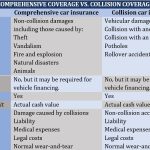 The Pros And Cons Of Comprehensive Vehicle Insurance
Is it better to have comprehensive or collision insurance?
When considering whether to have comprehensive or collision insurance, it’s essential to understand what each type covers and how it fits into your overall financial strategy.
1. Coverage Definitions:
- Collision Insurance covers damages to your vehicle resulting from a collision with another vehicle or object, regardless of fault.
- Comprehensive Insurance, on the other hand, covers damages to your car from non-collision incidents, such as theft, vandalism, natural disasters, and falling objects.
2. Financial Implications:
- Collision Insurance can be crucial for those who drive frequently or in high-traffic areas, as it helps cover repair costs resulting from accidents, which can be significant.
- Comprehensive Insurance is particularly important if you live in an area prone to natural disasters or high crime rates, protecting against potential losses that are beyond your control.
3. Cost Considerations:
- Generally, collision insurance tends to be cheaper than comprehensive coverage. However, the cost effectiveness can vary based on your vehicle's value, your driving habits, and local risks.
- It’s vital to assess the deductibles associated with both types of insurance. A higher deductible can lower your premium, but it also means you’ll pay more out-of-pocket in the event of a claim.
 The Benefits Of Bundling Home And Auto Insurance
4. Personal Evaluation:
- Consider your financial situation and the value of your vehicle. If your car is older and has a low market value, you might opt for just liability insurance, as the cost of comprehensive or collision coverage may not be justified.
- On the other hand, if you own a newer, high-value car, having both comprehensive and collision coverage can provide peace of mind and financial protection against unexpected events.
5. Conclusion:
- Ultimately, the decision between comprehensive and collision insurance hinges on your individual circumstances. Assess your risk tolerance, budget for premiums, and the specific risks you face. In many cases, having a combination of both coverages may be the most prudent financial decision to protect your investment and ensure stability in the event of an accident or disaster.
In summary, weigh the benefits of both coverage types against your needs and financial goals to determine the best fit for your situation.
What is the most reasonable car insurance?
Determining the most reasonable car insurance involves several key factors that vary based on individual circumstances. Here are some important considerations to keep in mind:
1. Coverage Types: Understand the different types of coverage available, such as liability, collision, and comprehensive. Liability insurance is often required by law and covers damages to others in an accident you cause. Collision insurance covers your vehicle's damages after an accident, while comprehensive covers non-collision incidents like theft or natural disasters.
2. Deductibles: Choose a deductible amount that balances monthly premiums with out-of-pocket costs. A higher deductible typically means lower premiums, but it also means you'll pay more if you need to file a claim.
3. Discounts: Look for available discounts. Many insurance companies offer discounts for safe driving records, bundling policies (like home and auto), good student discounts, and more. These can significantly reduce overall costs.
4. Comparison Shopping: Always compare quotes from multiple insurance providers. This can help you find the best rate tailored to your needs. Use online tools or consult with an insurance agent to gather information efficiently.
5. Financial Stability of the Insurer: Consider the financial strength and reputation of the insurance company. Companies with strong ratings are more likely to pay claims reliably. Check ratings from agencies like AM Best or Consumer Reports.
6. Customer Reviews: Research customer satisfaction through reviews and ratings. An insurer might have competitive rates, but poor customer service can lead to stress during claims.
7. State Regulations: Be aware of your state’s minimum insurance requirements. Familiarize yourself with any additional optional coverages that might be beneficial based on your driving habits and vehicle value.
By focusing on these aspects, you can find a car insurance policy that is both affordable and adequately protects you in case of an accident. Always remember to periodically review and adjust your policy as your circumstances change.
Which category of car insurance is best?
When considering the best category of car insurance in a financial context, it largely depends on your specific needs, driving habits, and financial situation. Here are some key categories of car insurance to consider:
1. Liability Insurance: This is often the minimum requirement by law and covers damages to other people and their property when you are at fault in an accident. It's crucial for protecting your assets, so understanding your state's requirements and choosing adequate coverage limits is essential.
2. Comprehensive Coverage: This type of insurance covers non-collision-related incidents such as theft, vandalism, or natural disasters. If you live in an area prone to these risks, comprehensive coverage can safeguard your investment in your vehicle.
3. Collision Coverage: This pays for damage to your car from a collision, regardless of who is at fault. If you have a newer or more valuable vehicle, collision coverage might be a wise choice as it can help you avoid significant out-of-pocket expenses.
4. Uninsured/Underinsured Motorist Protection: This coverage protects you if you're in an accident with someone who doesn't have enough insurance. Given that many drivers may not carry adequate liability coverage, having this protection is important for financial security.
5. Personal Injury Protection (PIP): This covers medical expenses for you and your passengers after an accident, regardless of fault. PIP can help mitigate potential medical costs, making it a crucial consideration for those worried about health expenses stemming from an accident.
Ultimately, the best car insurance category for you will depend on a balance of coverage and cost. It’s important to evaluate your individual risk factors, assess the value of your vehicle, and consider your financial ability to cover potential losses before making a decision. Comparing quotes and understanding the terms and conditions can help you find the right coverage that aligns with your financial goals.
What factors should I consider when comparing vehicle insurance policies?
When comparing vehicle insurance policies, consider the following factors:
1. Premium Costs: Evaluate the monthly or annual premium you’ll need to pay.
2. Coverage Options: Examine the types of coverage offered (liability, collision, comprehensive).
3. Deductibles: Understand the deductible amounts you will be responsible for in the event of a claim.
4. Policy Limits: Check the limits of liability to ensure adequate protection against potential losses.
5. Discounts: Look for available discounts based on safe driving, multiple policies, or vehicle safety features.
6. Claims Process: Research the ease of filing claims and the insurer’s reputation for customer service.
7. Customer Reviews: Consider customer feedback on overall satisfaction and claims handling.
By weighing these factors, you can make an informed decision that aligns with your financial needs.
How can my driving history impact my vehicle insurance premiums?
Your driving history can significantly impact your vehicle insurance premiums. Insurance companies assess risk based on your past behavior; a history of accidents or traffic violations typically leads to higher premiums, as you're considered a greater risk. Conversely, a clean driving record can result in lower rates and potential discounts. Always aim for safe driving to maintain an optimal premium.
What coverage options are essential for protecting my finances against potential vehicle-related incidents?
To protect your finances against potential vehicle-related incidents, consider these essential coverage options:
1. Liability Insurance - Covers damages to others in an accident where you are at fault.
2. Collision Coverage - Pays for damage to your vehicle from collisions.
3. Comprehensive Coverage - Protects against non-collision incidents like theft or natural disasters.
4. Uninsured/Underinsured Motorist Coverage - Offers protection if you're in an accident with an uninsured driver.
5. Personal Injury Protection (PIP) - Covers medical expenses and lost wages for you and your passengers.
Choosing the right combination of these coverages can help safeguard your financial well-being.

Para ayudarte a tomar la mejor decisión, hemos preparado un video que explica cómo elegir el seguro de vehículo que mejor se adapte a tus necesidades.
How To Handle A Denied Vehicle Insurance Claim

The Benefits Of Usage-Based Vehicle Insurance Policies

Vehicle Insurance For Electric Cars: What You Need To Know

How Driving Habits Affect Vehicle Insurance Rates

The Importance Of Gap Insurance For New Car Owners

How To Compare Vehicle Insurance Quotes Effectively
Deja una respuesta