

How To Appeal A Denied Health Insurance Claim
Are you struggling with a denied health insurance claim? In this article, we will provide you with essential steps and tips on how to effectively appeal your denial and increase your chances of receiving the coverage you deserve. Don’t let a rejection stand in your way!
⭐ Table of content
- Understanding Your Rights: A Step-by-Step Guide to Successfully Appeal a Denied Health Insurance Claim
- How do I challenge an insurance claim denial?
- How do I write an appeal letter for health insurance denial?
- What are the odds of winning an insurance appeal?
- How often are health insurance appeals successful?
Understanding Your Rights: A Step-by-Step Guide to Successfully Appeal a Denied Health Insurance Claim
Understanding your rights when dealing with health insurance claims is crucial, especially if your claim has been denied. This step-by-step guide will help you navigate the appeals process effectively.
Step 1: Review Your Policy
Before taking any action, thoroughly review your health insurance policy. Familiarize yourself with the terms, coverage details, and exclusions. Knowing what is covered will help you understand the basis of the denial.
Step 2: Understand the Denial Reason
Read the denial letter carefully. Insurance companies are required to provide a clear explanation for the denial. Common reasons include lack of medical necessity, pre-existing conditions, or failure to obtain prior authorization.
 The Impact Of Health Insurance On Mental Health Care Access
Step 3: Gather Supporting Documentation
Collect all relevant medical records, bills, and any correspondence related to your claim. This documentation will support your case in the appeal process and demonstrate that your treatment was necessary and covered under your policy.
Step 4: Contact Your Insurer
Reach out to your insurance company’s customer service department. Ask for clarification on the denial and inquire about the appeals process. Keep a record of whom you spoke with and the details of the conversation.
Step 5: Write Your Appeal Letter
Draft a formal appeal letter addressing the reason for the denial. Be specific and include any supporting evidence. Clearly state why you believe the claim should be approved based on your policy's coverage.
Step 6: Submit Your Appeal
Send your appeal letter along with all supporting documents to the address specified in the denial letter. Ensure you send it via certified mail so you have proof of submission.
 10 Key Questions To Ask Before Choosing A Health Insurance Plan
Step 7: Follow Up
After submitting your appeal, follow up with your insurer to confirm receipt and to check on the status. Be persistent but polite, and keep a record of all communication.
Step 8: Know Your Rights
Familiarize yourself with your rights under state and federal laws, such as the Employee Retirement Income Security Act (ERISA) if applicable. Understanding these rights can empower you during the appeals process.
Step 9: Seek External Help if Needed
If your appeal is denied again, consider seeking assistance from a professional, such as a patient advocate or an attorney who specializes in health insurance claims. They can provide guidance and represent your interests.
Step 10: Consider Filing a Complaint
If you believe your insurer is acting unfairly or contrary to the law, you can file a complaint with your state’s insurance department. They can investigate the matter and intervene if necessary.
 A Beginner's Guide To Understanding Health Insurance Terms
Following these steps can improve your chances of success in appealing a denied health insurance claim. Knowing your rights and being proactive are key components in navigating this complex process.
How do I challenge an insurance claim denial?
Challenging an insurance claim denial can be a complex process, but it’s essential to ensure you receive the benefits to which you are entitled. Here’s how to approach it effectively:
1. Understand the Denial: Review the denial letter carefully. The insurer should provide a clear reason for the denial. Identify specific policy clauses or terms that they cite as justification.
2. Gather Documentation: Collect all relevant documents that support your claim. This may include medical records, receipts, policy documents, and correspondence with the insurance company.
⬇️ Look Also Top 10 Immigration Lawyer In Usa
3. Contact Your Insurance Agent: Reach out to your insurance agent or representative. They can help clarify the denial and may offer assistance in filing an appeal. Document all conversations, including dates, times, and the names of people you speak with.
4. File an Appeal: Write a formal appeal letter to the insurance company. Include the claim number, a clear statement of why you believe the denial was incorrect, and attach any supporting documentation. Be concise and professional in your communication.
5. Follow Up: After submitting your appeal, follow up regularly to check on the status of your claim. Keeping communication lines open can sometimes expedite the process.
6. Seek Outside Help: If your appeal is denied again, consider enlisting the help of a professional such as a claims adjuster or an attorney specializing in insurance disputes. They can provide expert insight and may improve your chances of a successful appeal.
7. Know Your Rights: Familiarize yourself with your rights under state insurance laws. Some states may have specific regulations regarding claim denials and appeals processes. Stay informed about your policy and legal protections.
8. Consider Mediation or Arbitration: If all else fails, look into mediation or arbitration as alternatives to court. These methods can save time and expenses compared to litigation.
By following these steps, you can increase your chances of successfully challenging an insurance claim denial. Remember to remain patient and persistent throughout the process.
How do I write an appeal letter for health insurance denial?
Writing an appeal letter for a health insurance denial can be crucial in ensuring you receive the medical coverage you need. Here's a structured approach to help you draft an effective appeal letter, focusing on important financial aspects:
### Appeal Letter Structure
1. Header
- Your Name
- Your Address
- City, State, Zip Code
- Email Address
- Phone Number
- Date
2. Insurance Company Information
- Insurance Company Name
- Claims Department Address
- City, State, Zip Code
3. Subject Line
- Re: Appeal of Claim Denial - [Claim Number]
4. Salutation
- Dear [Claims Adjuster’s Name or “Claims Department”],
5. Introduction
- Clearly state your purpose: Begin with a brief statement indicating that you are writing to appeal the denial of your health insurance claim.
- Example: *"I am writing to formally appeal the denial of my claim (Claim Number: [Claim Number]), which was denied on [Date of Denial] due to [reason provided by the insurance company].”*
6. Body of the Letter
- State the Facts: Provide a clear and concise summary of your situation. Include details about the medical service or procedure, dates, and providers.
- Cite Your Policy: Reference your health insurance policy number and any relevant sections that support your request for coverage.
- Support Your Case:
- Include evidence such as bills, medical reports, and previous correspondence.
- Highlight financial implications: Explain how the denial affects your financial well-being. For example, mention any out-of-pocket costs or potential financial hardship resulting from the denial of necessary treatments.
- Example: *"The denial of coverage for this necessary treatment would impose a significant financial burden on me, as I am unable to afford the out-of-pocket expenses associated with this procedure."*
7. Conclusion
- Request Action: Politely request a reconsideration of your claim based on the provided information.
- Express your hope for a positive resolution and include your contact information again for follow-up.
- Example: *"I kindly ask that you reconsider my claim in light of the additional information provided. I am hopeful for a favorable resolution and remain available for any further information you may require."*
8. Closing
- Use a formal closing like “Sincerely” or “Best regards,” followed by your name.
### Example Appeal Letter
```
[Your Name]
[Your Address]
[City, State, Zip Code]
[Email Address]
[Phone Number]
[Date]
[Insurance Company Name]
[Claims Department Address]
[City, State, Zip Code]
Re: Appeal of Claim Denial - [Claim Number]
Dear [Claims Adjuster’s Name or “Claims Department”],
I am writing to formally appeal the denial of my claim (Claim Number: [Claim Number]), which was denied on [Date of Denial] due to [reason provided by the insurance company].
The medical service provided was necessary for my health and well-being, as supported by documents from my healthcare provider, Dr. [Provider's Name]. According to my policy [Policy Number], the coverage should apply to this type of service.
The denial of coverage for this necessary treatment would impose a significant financial burden on me, as I am unable to afford the out-of-pocket expenses associated with this procedure. Enclosed are relevant documents, including bills and medical records that substantiate my case.
I kindly ask that you reconsider my claim in light of the additional information provided. I am hopeful for a favorable resolution and remain available for any further information you may require.
Thank you for your attention to this matter.
Sincerely,
[Your Name]
```
By following this structure and emphasizing the key financial implications of your situation, you increase the likelihood of a successful appeal.
What are the odds of winning an insurance appeal?
The odds of winning an insurance appeal can vary significantly based on several factors. Here are some key points to consider when evaluating the likelihood of success:
1. Understanding the Reason for Denial: Begin by carefully reviewing the denial letter from the insurer. If the denial is due to a clerical error or missing documentation, your chances of winning the appeal might be quite high. Conversely, if it’s a policy exclusion or lack of coverage, your odds may diminish.
2. Gathering Evidence: The strength of your appeal often hinges on the quality of evidence you provide. Compiling comprehensive medical records, bills, and any necessary documentation that supports your case can significantly improve your chances.
3. Policy Knowledge: A deep understanding of your insurance policy is crucial. If you can demonstrate that the claim aligns with the coverage terms, your chances of winning increase.
4. Appeal Type: Different types of appeals (administrative, internal reviews, etc.) can have varying success rates. Knowing which type of appeal you are filing will affect your odds. Some insurance companies have higher approval rates for internal reviews than for external appeals.
5. Time Frame: Meeting deadlines is critical. Timely submission of your appeal is essential, as late submissions can lead to automatic denials.
6. Previous Case Outcomes: Researching past cases similar to yours can give you insight into your odds. If there are many successful appeals for comparable claims, it may bolster your confidence in pursuing your own appeal.
7. Professional Assistance: Hiring a lawyer or a claims advocate who specializes in insurance appeals can significantly impact your odds. Their expertise in navigating the appeals process and understanding legal complexities can enhance your chances of success.
In summary, while exact odds may be difficult to quantify, understanding the reason for denial, gathering strong evidence, knowing your policy, and possibly seeking professional help can all contribute to increasing your likelihood of winning an insurance appeal.
How often are health insurance appeals successful?
The success rate of health insurance appeals can vary significantly depending on several factors, including the type of insurance plan, the nature of the denied claim, and the appeal process undertaken. Generally speaking, approximately 50% to 70% of appeals are successful at the initial level, while further appeals may yield different results.
One crucial factor that influences the success of an appeal is the reason for the denial. Common reasons include lack of medical necessity, incomplete documentation, or out-of-network provider issues. If the appeal is based on solid medical evidence or additional documentation, it has a higher chance of being overturned.
Moreover, the appeal process itself plays a significant role. Most insurance companies have a defined procedure for appeals, and understanding this process can increase the likelihood of success. Engaging the help of healthcare providers or legal experts familiar with the insurance landscape can also improve outcomes.
It's important to note that if the first appeal is unsuccessful, policyholders often have the option to escalate their case. Subsequent appeals may have a success rate ranging from 30% to 50%, making it worthwhile to continue pursuing the issue.
In summary, while there's no guarantee of success in health insurance appeals, preparedness, understanding the reasons for denial, and knowing the appeal process can significantly enhance the chances of a favorable outcome.
What are the steps to take when appealing a denied health insurance claim?
To appeal a denied health insurance claim, follow these steps:
1. Review the denial letter: Check the reason for denial and your policy's coverage details.
2. Gather documentation: Collect necessary medical records, receipts, and any relevant information.
3. Contact your insurer: Call the customer service number to clarify the denial and ask about the appeals process.
4. Write an appeal letter: Clearly state your case, referencing specific policy terms, and include all supporting documents.
5. Submit the appeal: Send your appeal letter and documentation according to the insurer's guidelines, keeping copies for your records.
6. Follow up: Contact the insurer to confirm receipt of your appeal and inquire about the timeline for a decision.
By following these steps, you increase your chances of a successful appeal.
How can I gather supporting documentation for my health insurance claim appeal?
To gather supporting documentation for your health insurance claim appeal, follow these steps:
1. Review the denial letter to understand the specific reasons for the denial.
2. Gather necessary documents such as medical records, bills, and treatment summaries.
3. Contact your healthcare provider for any additional information that supports your case.
4. Check your insurance policy for coverage details related to your claim.
5. Organize your materials clearly and systematically to present your argument effectively.
Comprehensive documentation is essential to strengthen your appeal.
What common reasons do health insurance companies give for denying claims, and how can I address them in my appeal?
Health insurance companies commonly deny claims for reasons such as lack of coverage, insufficient documentation, or pre-existing conditions. To address these in your appeal, ensure you provide comprehensive documentation that supports your claim, clearly demonstrate that the treatment is covered under your policy, and if applicable, provide evidence that the condition was not pre-existing. Additionally, referencing policy language and guidelines can strengthen your case.

En este contexto, es fundamental conocer el proceso adecuado, por lo que a continuación te presentamos un video que explica cómo apelar una reclamación de seguro de salud denegada.
The Impact Of Health Insurance On Mental Health Care Access

5 Common Myths About Health Insurance Debunked

How And When To Enroll In Health Insurance
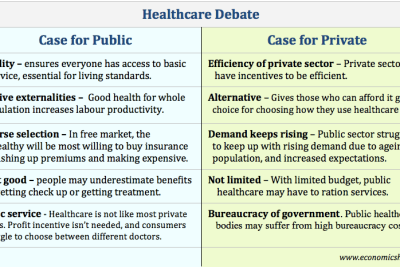
The Pros And Cons Of Private Vs. Public Health Insurance

Health Insurance For Expats: What You Need To Know

How To Save Money On Health Insurance Without Sacrificing Coverage
Deja una respuesta