

How To Build Credit Score
Building a strong credit score is essential for financial health. In this article, we'll explore effective strategies to improve your credit score, understand the factors that influence it, and learn why having a good credit score matters for your financial future.
⭐ Table of content
Essential Steps to Build a Strong Credit Score: A Comprehensive Guide for Financial Success
Building a strong credit score is crucial for achieving financial success. Here are the essential steps to help you strengthen your credit profile:
1. Understand Your Credit Score: Familiarize yourself with the factors that influence your credit score, such as payment history, credit utilization, length of credit history, types of credit, and new credit inquiries.
2. Check Your Credit Report Regularly: Obtain free copies of your credit report from major credit bureaus at least once a year. Review it for errors or inaccuracies that could negatively impact your score.
⬇️ Look Also How To Fix Credit Score
3. Pay Your Bills on Time: Consistently making payments by their due dates is one of the most significant factors in determining your credit score. Set up reminders or automatic payments to avoid late payments.
4. Keep Your Credit Utilization Low: Aim to use less than 30% of your available credit limit. High credit utilization can signal to lenders that you are overextended and may pose a risk.
5. Avoid Opening Too Many Accounts at Once: Each time you apply for credit, a hard inquiry is made on your report. Too many inquiries in a short period can lower your score.
6. Maintain Old Credit Accounts: The length of your credit history plays a role in your score. Keep older accounts open, even if you don’t use them frequently, to show a longer credit history.
⬇️ Look Also What Is The Highest Credit Score Possible
7. Mix of Credit Types: Having a variety of credit types—such as credit cards, installment loans, and mortgages—can positively affect your score. However, only open new accounts when necessary.
8. Handle Collections Wisely: If you have accounts in collections, consider negotiating with creditors to settle debts. Once resolved, aim to get a “pay for delete” agreement where possible.
9. Limit New Credit Inquiries: Before applying for new credit, research your options thoroughly to minimize unnecessary hard inquiries on your report.
10. Consider Credit Building Tools: Use secured credit cards or credit builder loans to establish or improve your credit history safely.
⬇️ Look Also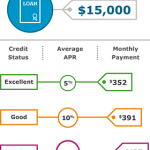 Wells Fargo 500 Credit Score Home Loan
Following these essential steps can significantly enhance your credit score and pave the way for better financial opportunities, such as lower interest rates on loans and better terms on credit cards.
How can I build my credit score fast?
Building your credit score quickly can be a crucial step toward financial health. Here are some effective strategies:
1. Check Your Credit Report: Start by obtaining a free copy of your credit report from the major credit bureaus. Review it for any errors that could negatively affect your score. If you find inaccuracies, dispute them immediately.
2. Pay Bills on Time: Late payments can significantly impact your credit score. Make it a habit to pay all your bills on time. Consider setting up automatic payments or reminders to help you stay on track.
⬇️ Look Also How To Improve Credit Score
3. Reduce Credit Card Balances: Aim to keep your credit utilization ratio low—ideally below 30% of your total credit limit. Paying down existing balances will improve this ratio and, in turn, boost your score.
4. Open a Secured Credit Card: If you're new to credit or have a low score, consider applying for a secured credit card. These require a cash deposit as collateral but can help you build credit quickly if used responsibly.
5. Become an Authorized User: Ask a family member or friend with a good credit score if you can become an authorized user on their credit card. This can add their positive payment history to your credit report, which may enhance your score.
6. Limit Hard Inquiries: When you apply for new credit, lenders perform hard inquiries, which can temporarily lower your score. Limit the number of applications you submit to minimize the impact of these inquiries.
7. Diversify Your Credit Mix: Having a variety of credit types (such as installment loans and revolving credit) can be beneficial. However, only take on new credit if you can manage it responsibly.
8. Keep Old Accounts Open: The length of your credit history also affects your score. Avoid closing old credit accounts, even if you no longer use them, as this can shorten your average credit age.
By following these steps, you can effectively build your credit score faster and position yourself for future financial opportunities.
How to get a 720 credit score in 6 months?
Achieving a 720 credit score within six months is an ambitious goal, but it is definitely possible with the right strategies and discipline. Here are some effective steps to help you reach that target:
1. Check Your Credit Report: Begin by obtaining a copy of your credit report from all three major credit bureaus (Experian, Equifax, and TransUnion). Review your report for any errors or inaccuracies that could be negatively impacting your score. Dispute any errors you find.
2. Pay Your Bills on Time: Payment history accounts for a significant portion of your credit score. Make sure to pay all your bills, including credit cards, loans, and utilities, on time. Consider setting up automatic payments or reminders to avoid late payments.
3. Reduce Your Credit Utilization Ratio: Aim to keep your credit utilization below 30% of your available credit limit. If your credit card balances are high, pay them down as much as possible. If feasible, ask for a credit limit increase to improve this ratio without increasing your debt.
4. Avoid New Hard Inquiries: Each time you apply for new credit, it can result in a hard inquiry that may lower your score temporarily. Try to avoid opening new accounts or taking on additional debt during this period.
5. Keep Old Accounts Open: The length of your credit history matters for your score. If you have old credit accounts that are in good standing, keep them open to maintain a longer average credit age, which can positively impact your score.
6. Diversify Your Credit Mix: If you only have credit cards, consider adding other types of credit like a personal loan or an installment loan. A diverse credit mix can be beneficial, but ensure you can manage any new payments responsibly.
7. Settle Any Existing Debts: If you have any outstanding debts or collections, work on settling these accounts. Reducing the number of open accounts in collections can have a positive effect on your score.
8. Utilize Credit Monitoring Tools: Use credit monitoring services to track your progress. These tools can help you understand how your actions affect your score and alert you to any changes or potential fraud.
9. Be Patient and Consistent: Building or improving your credit takes time. Remain consistent with your efforts and remember that results may not be immediate. Patience is key.
By following these steps consistently over the next six months, you should see a significant improvement in your credit score, potentially reaching that coveted 720 score.
What is the #1 way to build your credit?
The #1 way to build your credit is to consistently make on-time payments on your bills and loans. This includes credit cards, student loans, car loans, and any other financial obligations you may have.
Payment history makes up a significant portion of your credit score, typically around 35%. By ensuring that you pay your bills on time, you demonstrate to lenders that you are a responsible borrower, which can positively impact your credit rating over time.
In addition to timely payments, consider these tips to further enhance your credit-building efforts:
1. Use credit responsibly: Avoid maxing out your credit cards. Try to keep your utilization ratio below 30%.
2. Diversify your credit mix: Having different types of credit accounts (like installment loans and revolving credit) can benefit your score.
3. Review your credit report: Regularly check for errors or discrepancies that could be negatively impacting your score, and dispute any inaccuracies.
By focusing on on-time payments, along with the other strategies mentioned, you will effectively build and maintain a strong credit profile.
How to get a 700 credit score in 30 days?
Achieving a 700 credit score in just 30 days is an ambitious goal, but with the right strategies, it may be possible. Here are several steps you can take to improve your credit score quickly:
1. Check Your Credit Report: Start by obtaining your free credit report from the major credit bureaus. Look for any errors or inaccuracies that could be dragging down your score. Dispute any mistakes you find.
2. Pay Down Credit Card Balances: Your credit utilization ratio (the amount of credit you're using compared to your total credit limit) significantly impacts your score. Aim to keep it below 30%. If possible, pay off your balances in full or pay down high-balance accounts to improve this ratio quickly.
3. Make Payments on Time: Payment history makes up a large portion of your credit score. Ensure that all upcoming bills—especially loans and credit cards—are paid on time. Consider setting up automated payments or reminders to avoid late payments during this critical month.
4. Avoid Opening New Accounts: While it might be tempting to open new credit accounts to boost your available credit, each new inquiry can temporarily decrease your score. Focus on improving existing accounts instead of adding new ones.
5. Become an Authorized User: If you have a family member or close friend with a good credit score and a long history of responsible credit use, consider asking them to add you as an authorized user on their credit card. This could enhance your credit profile without impacting theirs.
6. Limit Hard Inquiries: When you apply for new credit, it results in a hard inquiry, which can lower your score temporarily. Avoid applying for new credit lines or loans until after you've achieved your target score.
7. Utilize Credit-Building Tools: Consider using services that report monthly payments for utilities, rent, or subscriptions to credit bureaus. This can help build your payment history if these payments are not already reflected in your credit report.
8. Monitor Your Credit Score: Use credit monitoring services to keep track of your score regularly. This can help you understand how your actions affect your score and ensure that there are no new negative factors emerging.
By implementing these strategies diligently, you may be able to see substantial improvements in your credit score within 30 days. Remember, consistency is key, and maintaining good financial habits over time is essential for long-term credit health.
What are the most effective ways to build a credit score from scratch?
To build a credit score from scratch, consider these effective strategies:
1. Open a secured credit card: This type of card requires a cash deposit as collateral and helps establish credit with responsible use.
2. Make timely payments: Always pay your bills on time, as payment history accounts for 35% of your credit score.
3. Keep credit utilization low: Aim to use less than 30% of your available credit to maintain a healthy score.
4. Consider becoming an authorized user: Join a family member’s or friend's credit card account to benefit from their positive credit history.
5. Monitor your credit report: Regularly check your report for errors and disputes to ensure accuracy.
By following these steps, you can build a strong credit foundation.
How long does it take to improve a credit score once I start building it?
Improving your credit score can take anywhere from three to six months after you start building it. However, significant improvements may take longer depending on factors like payment history, credit utilization, and length of credit history. Consistent positive behavior, such as paying bills on time and reducing debt, will contribute to gradual improvement.
What common mistakes should I avoid while trying to build my credit score?
To build your credit score effectively, avoid these common mistakes:
1. Missing payments: Always pay your bills on time to maintain a positive payment history.
2. Maxing out credit cards: Keep your credit utilization below 30% of your total available credit.
3. Applying for too much credit at once: Multiple hard inquiries can lower your score; spread out applications.
4. Not checking your credit report regularly: Monitor your report for errors and dispute inaccuracies promptly.
5. Closing old accounts: Keeping older accounts open can improve your credit history length.
By avoiding these pitfalls, you can steadily improve your credit score over time.

Para ayudarte a entender mejor el proceso, aquí tienes un video que explica cómo construir tu historial crediticio de manera efectiva.
What Licenses Are Needed To Start A Cleaning Business

Credit Score Needed For Discover Card

Minimum Credit Score To Lease A Car

Credit Score Simulator Credit Karma

Credit Score Needed For Apple Card

Credit Score For Amazon Card
Deja una respuesta