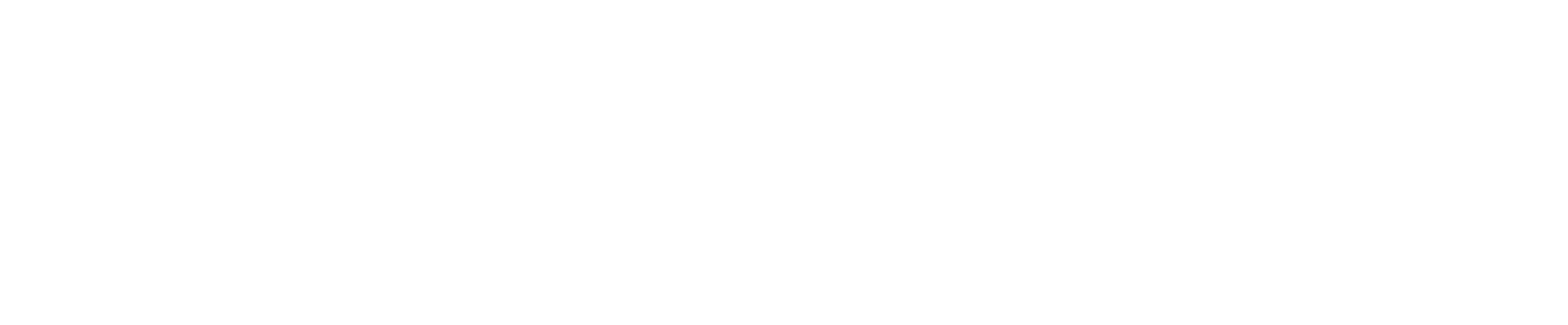

Business Cleaning Companies Near Me
Looking for reliable business cleaning companies in your area? Discover the top-rated services that can help maintain a clean and professional environment for your workplace. Explore options tailored to your needs, ensuring a spotless and productive space for you and your employees.
⭐ Table of content
- Maximizing Cost Efficiency: Finding the Best Business Cleaning Companies Near You for Optimal Financial Management
- What type of cleaners make the most money?
- What are the three types of cleaning?
- How much do most cleaning services charge?
- What is the difference between janitorial and commercial cleaning?
Maximizing Cost Efficiency: Finding the Best Business Cleaning Companies Near You for Optimal Financial Management
When businesses seek to improve their financial management, one key area for optimization is operational expenses. Maximizing cost efficiency through strategic partnerships with cleaning services can significantly impact the bottom line. By carefully selecting the best business cleaning companies near you, organizations can reduce unnecessary costs while maintaining a clean and professional environment.
Understanding the cost-benefit analysis of hiring cleaning services versus in-house staff is essential. Outsourcing cleaning tasks often leads to lower labor costs and reduced overheads, allowing companies to allocate resources to core business functions. Additionally, professional cleaning companies often utilize state-of-the-art equipment and environmentally friendly products, which can result in long-term cost savings through enhanced efficiency and sustainability.
Conducting thorough research into local cleaning companies can uncover options that are not only competitively priced but also offer tailored services to meet specific business needs. Vendor comparisons should include factors like pricing transparency, reliability, and additional services offered, such as specialized cleaning for high-traffic areas or eco-friendly solutions.
⬇️ Look Also What Licenses Are Needed To Start A Cleaning Business
Another important aspect is the potential for bulk contracts or long-term agreements, which can lead to discounted rates and improved service guarantees. Businesses should negotiate these terms upfront, ensuring they secure the best possible pricing models without sacrificing quality.
Moreover, examining customer reviews and previous performance metrics can provide valuable insights into a cleaning company’s reliability and effectiveness. Companies that invest time in selecting the right cleaning partner are more likely to see a direct correlation between cleanliness and employee productivity, which can ultimately enhance overall financial performance.
What type of cleaners make the most money?
In the context of finance, the type of cleaners that tend to make the most money are typically those operating in specialized or high-demand sectors. Here are some key points to consider:
1. Commercial Cleaning Services: Companies that provide cleaning services for large commercial spaces, like office buildings, hospitals, and schools, often have contracts that lead to consistent revenue streams. These businesses can scale more easily than residential cleaning.
⬇️ Look Also How To Start A Clothing Business
2. Industrial Cleaning: Industries such as manufacturing or construction often require specialized cleaning to maintain safety and compliance. Cleaners in this sector can charge premium rates due to the complexity and hazards involved.
3. Post-Construction Cleaning: After a building project, thorough cleaning is essential. Companies specializing in post-construction cleaning often earn higher wages given the extensive work and cleanup required.
4. Eco-Friendly Cleaning Services: With a growing emphasis on sustainability, eco-friendly cleaning services can command higher prices as they use specialized products and methods that appeal to environmentally conscious consumers.
5. Luxury Residential Cleaning: In affluent neighborhoods, luxury cleaning services that offer personalized and meticulous cleaning can charge significantly more than standard residential cleaning services.
⬇️ Look Also How To Start A Small Clothing Business From Home
6. Specialty Cleaning (e.g., Carpet, Upholstery): Businesses focusing on specialty cleaning services, like carpet or upholstery cleaning, can also be lucrative due to their specialized skills and equipment.
In summary, cleaning businesses that focus on commercial, industrial, or specialized services, as well as those that cater to luxury markets, usually see the highest profit margins in the industry.
What are the three types of cleaning?
In the context of finance, the three types of cleaning refer to the processes used to ensure that financial data is accurate, complete, and reliable. These types of cleaning are:
1. Data Cleansing: This involves identifying and correcting errors or inconsistencies in financial data. It ensures that all data entries are accurate and conform to a standard format. The process may include removing duplicate records, correcting misspelled entries, or updating outdated information.
⬇️ Look Also How Much Does It Cost To Hire an Employment Lawyer
2. Data Validation: This step ensures that the data is both relevant and reliable for analysis. Financial analysts perform checks against predefined rules or criteria to verify the integrity of the data. For instance, they might confirm that transaction amounts fall within expected ranges or that account balances match supporting documentation.
3. Data Enrichment: This type of cleaning involves enhancing the existing financial data by adding additional information from external sources. This can include integrating complementary datasets that provide greater context or insights, such as market data, economic indicators, or credit ratings. By enriching the data, organizations can gain deeper insights for better financial decision-making.
Overall, effective data cleansing, data validation, and data enrichment are critical for maintaining high-quality financial data, which is essential for accurate reporting and analysis.
How much do most cleaning services charge?
The cost of cleaning services can vary widely based on several factors. Generally, most cleaning services charge between $25 to $50 per hour for standard cleaning tasks. However, there are some key aspects that affect these rates:
1. Type of Cleaning: Regular housekeeping typically falls on the lower end of the pricing scale, while specialized services like deep cleaning, move-in/move-out cleaning, or post-construction cleaning can range from $100 to $400 or more for a single job.
2. Size of the Property: The larger the area to be cleaned, the more expensive the service. For example, cleaning a one-bedroom apartment may cost around $80 to $150, while a larger home could exceed $300.
3. Frequency of Service: Regular cleaning services often come with discounts. If you schedule cleanings on a weekly or biweekly basis, you might see a reduced rate compared to one-time services.
4. Location: Prices can also vary by geographic area. Urban areas typically have higher prices due to increased demand and cost of living compared to rural areas.
5. Additional Services: Adding extra tasks such as laundry, window washing, or carpet cleaning can increase the total cost.
In summary, while you should expect to pay $25 to $50 per hour for cleaning services, be sure to consider these variables for a more accurate estimate tailored to your specific needs.
What is the difference between janitorial and commercial cleaning?
In the context of finance, understanding the difference between janitorial cleaning and commercial cleaning is crucial for budgeting and operational planning. Here are the key distinctions:
1. Scope of Services:
- Janitorial cleaning typically refers to routine cleaning tasks such as dusting, vacuuming, and restroom sanitation. This service is often performed on a regular basis (daily, weekly, etc.) to maintain a clean environment.
- Commercial cleaning, on the other hand, may include more specialized services like carpet cleaning, window washing, and deep cleaning. This is usually done less frequently but covers a broader range of cleaning needs.
2. Target Clients:
- Janitorial services often cater to smaller businesses or facilities that require ongoing cleaning support.
- Commercial cleaning services are aimed at larger businesses or organizations, such as office buildings, retail spaces, and industrial sites, which may need comprehensive and varied cleaning solutions.
3. Cost Structure:
- The pricing for janitorial cleaning is generally based on a fixed contract for ongoing services, which can help in budgeting since costs are predictable over time.
- Commercial cleaning might involve variable costs depending on the extent and frequency of the services rendered. This can lead to fluctuations in budget allocation, making financial forecasting more complex.
4. Frequency of Service:
- Janitorial cleaning is often performed on a daily or weekly basis, creating a steady line item in expense reports.
- Commercial cleaning might occur on a monthly or quarterly basis, meaning it may not be as predictable in terms of cash flow management.
5. Labor Force:
- Janitorial services generally employ staff trained for basic cleaning tasks that can work in various settings.
- Commercial cleaning often requires specialized training and equipment, leading to potentially higher labor costs and more extensive liability considerations.
Understanding these differences can aid in better financial planning and resource allocation, ultimately impacting the overall efficiency and cost-effectiveness of facility management.
What are the typical startup costs for a business cleaning company?
Typical startup costs for a cleaning company include equipment and supplies, such as vacuums and cleaning products; insurance for liability protection; marketing expenses to acquire clients; and licensing fees if required. Overall, initial costs can range from $2,000 to $10,000 or more, depending on the scale of the business.
How can I finance the expansion of my cleaning business?
To finance the expansion of your cleaning business, consider the following options:
1. Business Loans: Apply for a loan from banks or credit unions to secure necessary funds.
2. Investors: Seek out investors willing to provide capital in exchange for equity.
3. Crowdfunding: Use platforms like Kickstarter or GoFundMe to raise funds from the community.
4. Grants: Research local government or non-profit grants aimed at small businesses.
5. Personal Savings: Utilize personal savings to inject cash into the business without incurring debt.
Each option has its pros and cons, so evaluate them carefully before proceeding.
What are the tax deductions available for cleaning businesses?
Cleaning businesses can take advantage of several tax deductions, including:
1. Supplies and Equipment: Costs for cleaning supplies, tools, and equipment are deductible.
2. Vehicle Expenses: If vehicles are used for business, expenses can be deducted using either the standard mileage rate or actual expenses.
3. Home Office Deduction: If you operate from home, you may deduct expenses related to your home office.
4. Advertising and Marketing: Expenses incurred for promoting your business are deductible.
5. Employee Wages: Salaries and wages paid to employees can be deducted as business expenses.
Ensure you keep accurate records to maximize your deductions.
How To Start A Construction Business

Checklist For Starting A Food Truck Business

How To Start Real Estate Business Without Money

How To Start A Airbnb Business Without Money

How To Start A Photography Business

How To Start A Consulting Firm Business
Deja una respuesta